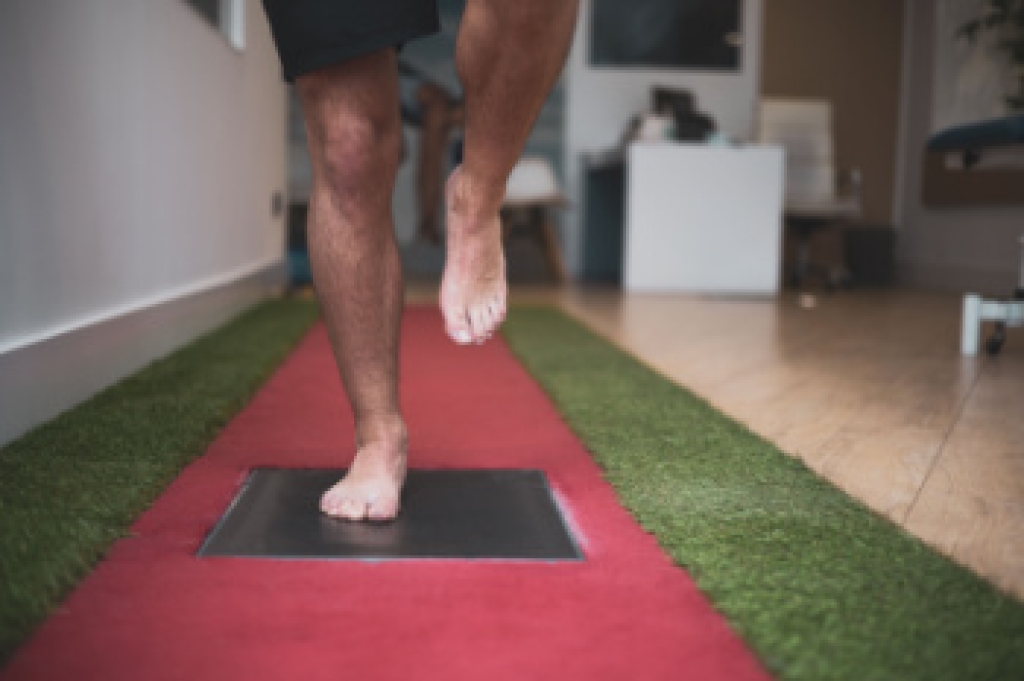
Running biomechanics refers to how the body moves while running and how the feet, ankles, knees, and hips work together with each stride. Compared with walking, running requires greater balance, stronger muscle control, and a greater range of joint movement. Each step places increased forces on the lower body, making proper movement important for comfort and performance. Running biomechanics can vary depending on foot structure, running speed, flexibility, and strength. Understanding these movements can help runners recognize problems that may contribute to discomfort and learn how to support healthy running habits.
The running gait cycle describes the sequence of movements that occurs between one foot contacting the ground and that same foot contacting the ground again. It includes the stance phase, when the foot supports body weight, and the swing phase, when the foot moves forward through the air. During the stance phase, the foot absorbs impact and helps the body move forward. The ankle and toes then contribute to push-off, allowing the runner to propel into the next stride. During the swing phase, the leg moves forward while muscles prepare the foot for its next landing. Efficient coordination throughout this cycle helps maintain forward motion.
Running places greater demands on the muscles and joints than ordinary walking because the body briefly leaves the ground with each stride. The feet must absorb impact, maintain stability, and help generate forward movement each time they return to the ground. Limited ankle mobility, muscle weakness, or changes in foot alignment can affect how forces travel through the lower body. Some runners may develop heel pain, arch discomfort, or pain around the toes when training demands exceed what their bodies can tolerate. Increasing mileage too quickly, wearing worn-out shoes, and running on unfamiliar surfaces may also increase the risk of injury. Gradual training changes and wearing appropriate footwear help reduce unnecessary strain.
A podiatrist evaluates running-related foot pain by reviewing training habits, examining foot structure, and assessing walking or running mechanics. The examination may include checking joint range of motion, muscle strength, and areas of tenderness. Based on the findings, treatment may involve footwear recommendations, custom orthotics, or exercises suited to your needs. Early assessment helps identify movement patterns that contribute to discomfort and guide a safer return to running. If you have foot pain from running, it is suggested that you consult a podiatrist for an accurate diagnosis and appropriate treatment.
If you have any concerns about your feet, contact Joan Oloff, DPM from Los Gatos Foot and Ankle . Our doctor can provide the care you need to keep you pain-free and on your feet.
Biomechanics in Podiatry
Podiatric biomechanics is a particular sector of specialty podiatry with licensed practitioners who are trained to diagnose and treat conditions affecting the foot, ankle and lower leg. Biomechanics deals with the forces that act against the body, causing an interference with the biological structures. It focuses on the movement of the ankle, the foot and the forces that interact with them.
A History of Biomechanics
- Biomechanics dates back to the BC era in Egypt where evidence of professional foot care has been recorded.
- In 1974, biomechanics gained a higher profile from the studies of Merton Root, who claimed that by changing or controlling the forces between the ankle and the foot, corrections or conditions could be implemented to gain strength and coordination in the area.
Modern technological improvements are based on past theories and therapeutic processes that provide a better understanding of podiatric concepts for biomechanics. Computers can provide accurate information about the forces and patterns of the feet and lower legs.
Understanding biomechanics of the feet can help improve and eliminate pain, stopping further stress to the foot.
If you have any questions please feel free to contact our office located in Los Gatos, CA . We offer the newest diagnostic and treatment technologies for all your foot and ankle needs.
