Hallux Valgus Explained and Why Bunions Gradually Develop

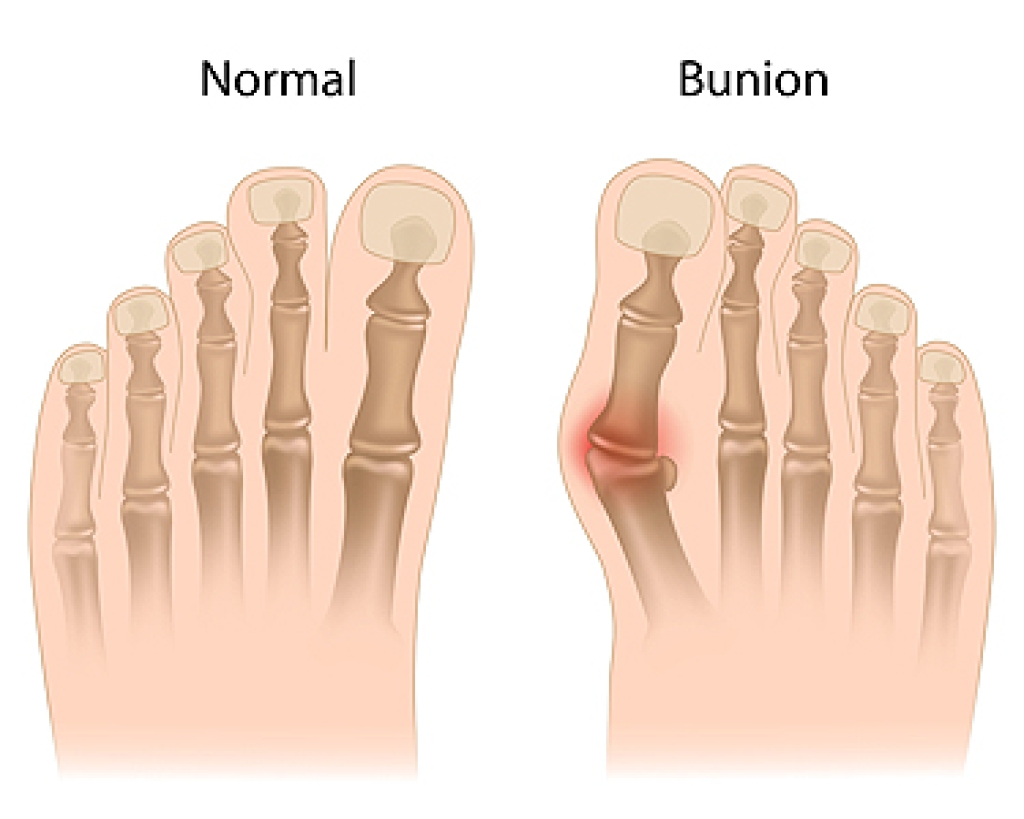
Hallux valgus, commonly known as a bunion, is a progressive foot deformity defined by a misalignment of the big toe joint. This condition occurs when the big toe shifts inward toward the smaller toes, causing a bony prominence to form along the side of the foot. The deformity affects the structure and function of the forefoot, leading to joint instability and ongoing irritation. Over time, the condition can worsen, especially when underlying causes are not addressed. Symptoms of hallux valgus often begin with a visible bump at the base of the big toe. The area may appear swollen, red, and inflamed. Many individuals experience pain that increases with walking or wearing tight fitting shoes. Joint stiffness and reduced range of motion are also common. As the deformity progresses, the big toe may overlap or press against adjacent toes, creating further discomfort and difficulty with footwear.

Several causes and risk factors contribute to the development of bunions. Biomechanical issues such as flat feet, abnormal gait patterns, and joint instability play a significant role. Genetics is another major factor, as inherited foot structure can increase the likelihood of developing hallux valgus. Footwear also contributes, particularly shoes that are narrow or have a high heel, which place excessive pressure on the forefoot and encourage misalignment. Early recognition of bunions is important for preventing progression and managing symptoms. Treatment options may include wearing supportive footwear, custom orthotics, and activity modifications that reduce stress on the joint. Addressing biomechanical issues can improve overall foot function and relieve discomfort. If you have a bunion, it is suggested that you consult a podiatrist for effective relief and management solutions.

If you are suffering from bunion pain, contact Joan Oloff, DPM of Los Gatos Foot and Ankle . Our doctor can provide the care you need to keep you pain-free and on your feet.

What Is a Bunion?

Bunions are painful bony bumps that usually develop on the inside of the foot at the joint of the big toe. As the deformity increases over time, it may become painful to walk and wear shoes. Women are more likely to exacerbate existing bunions since they often wear tight, narrow shoes that shift their toes together. Bunion pain can be relieved by wearing wider shoes with enough room for the toes.

Causes

  • Genetics – some people inherit feet that are more prone to bunion development
  • Inflammatory Conditions - rheumatoid arthritis and polio may cause bunion development

Symptoms

  • Redness and inflammation
  • Pain and tenderness
  • Callus or corns on the bump
  • Restricted motion in the big toe

In order to diagnose your bunion, your podiatrist may ask about your medical history, symptoms, and general health. Your doctor might also order an x-ray to take a closer look at your feet. Nonsurgical treatment options include orthotics, padding, icing, changes in footwear, and medication. If nonsurgical treatments don’t alleviate your bunion pain, surgery may be necessary.

If you have any questions, please feel free to contact our office located in Los Gatos, CA . We offer the newest diagnostic and treatment technologies for all your foot care needs.


Read more about Bunions

How Stress Fractures Affect the Feet

Stress fractures are tiny cracks in a bone that develop when repeated force places more stress on the bone than it can repair. They are frequently found in the feet because these bones absorb pressure with every step. A sudden increase in running, jumping, or other high-impact activities can trigger this injury. People who begin a new fitness program, change workout intensity too quickly, or spend long hours on hard surfaces face a greater risk. Shoes that lack proper support can also add extra strain to the feet. Pain usually starts in one specific area and gradually becomes worse with activity. As the injury progresses, discomfort can continue while walking and even during normal daily routines. Swelling and tenderness near the painful spot are also common warning signs.

Because stress fractures can resemble other foot problems, an accurate diagnosis is important. A podiatrist begins with a detailed discussion of your symptoms and a careful examination of the foot. X-rays help identify many stress fractures, although very early injuries are not always visible. In those cases, an MRI, which creates detailed images of bones and soft tissues, can reveal the injury before it appears on an X-ray. Finding the problem early lowers the chance that the crack will become larger or develop into a complete fracture. A prompt diagnosis also helps guide the safest treatment plan and supports a smoother recovery.

Treatment depends on the location of the stress fracture and its severity. A podiatrist can reduce pressure on the injured bone with a walking boot, a stiff-soled shoe, or crutches. Your podiatrist also monitors healing with follow-up visits and imaging, when appropriate. Some fractures heal well with these measures, while others require surgery because of their location or because they are unlikely to heal properly without added support. Early professional care can shorten recovery and help prevent more serious damage. If you have symptoms of a stress fracture, it is suggested that you schedule an appointment with a podiatrist for diagnosis and appropriate treatment.

Activities where too much pressure is put on the feet can cause stress fractures. To learn more, contact Joan Oloff, DPM from Los Gatos Foot and Ankle . Our doctor can provide the care you need to keep your pain free and on your feet.

Dealing with Stress Fractures of the Foot and Ankle

Stress fractures occur in the foot and ankle when muscles in these areas weaken from too much or too little use.  The feet and ankles then lose support when walking or running from the impact of the ground. Since there is no protection, the bones receive the full impact of each step. Stress on the feet can cause cracks to form in the bones, thus creating stress fractures.

What Are Stress Fractures?

Stress fractures occur frequently in individuals whose daily activities cause great impact on the feet and ankles. Stress factors are most common among:

  • Runners                                
  • People affected with Osteoporosis
  • Tennis or basketball players
  • Gymnasts
  • High impact workouts

Symptoms

Pain from the fractures occur in the area of the fractures and can be constant or intermittent. It will often cause sharp or dull pain with swelling and tenderness. Engaging in any kind of activity which involves high impact will aggravate pain.

If you have any questions please contact our office located in Los Gatos, CA . We offer the newest diagnostic and treatment technologies for all your foot and ankle needs.

Read more about Stress Fractures of the Foot and Ankle

Connect With Us

Advanced Podiatric Procedures & Services in the Santa Clara County: Los Gatos, San Jose, Monte Sereno, Saratoga, Cambrian Park, Campbell, Cupertino, Santa Clara areas