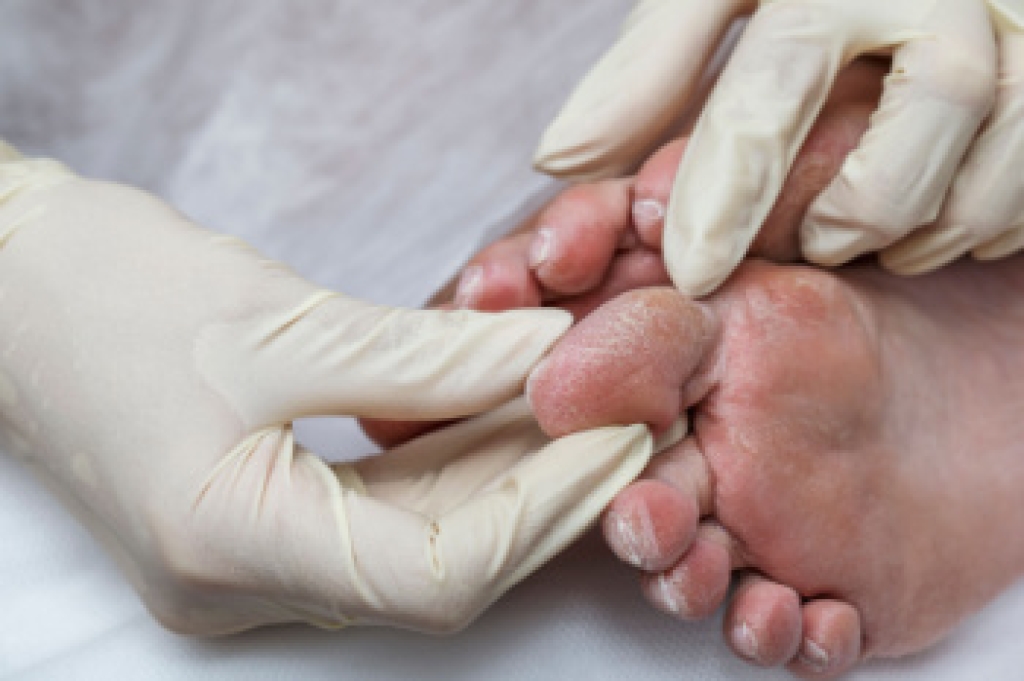
Limb Salvage and Its Importance in Foot Health

Limb salvage, also known as limb sparing surgery, is a medical approach that focuses on preserving a patient’s limb rather than resorting to limb loss. In podiatry, it is especially important for individuals with diabetes who may develop severe infections, ulcers, or poor circulation in their feet. Risk factors include uncontrolled blood sugar, neuropathy, vascular disease, and delayed wound healing. Limb salvage is often necessary when conservative treatments fail, and the goal is to maintain mobility and quality of life while preventing further complications. A podiatrist plays a crucial role in early detection, wound care, surgical intervention, and ongoing management. If you have diabetes and have developed foot wounds that will not heal, it is strongly suggested that you are under the care of a podiatrist for treatment.

Diabetic Limb Salvage

Diabetic limb salvage can be an effective way in preventing the need for limb amputation. If you have a foot ulcer and diabetes, consult with Joan Oloff, DPM from Los Gatos Foot and Ankle . Our doctor will assess your condition and provide you with quality foot and ankle treatment.

What Is Diabetic Limb Salvage?

Diabetic limb salvage is the attempt of saving a limb, such as the foot, that has an infected ulcer, from amputation. Podiatrists also try to make sure that there is enough function in the foot after the salvage that it is still usable. Those with diabetes experience poor blood circulation, which prevents proper healing of an ulcer. If the ulcer is left uncheck, it could become infected, which could result in the need for amputation.

Diabetes is the number one cause of non-traumatic amputations in the United States. Amputation has been found to lead to higher mortality rates. This translates into higher healthcare costs, and a reduced quality of life and mobility for amputees. Podiatrists have attempted to increase the prevalence of limb salvage in an attempt to solve these issues.

Diagnosis and Treatment

Limb salvage teams have grown in recent years that utilize a number of different treatments to save the infected limb. This includes podiatrists that specialize in wound care, rehabilitation, orthotics, and surgery. Through a combination of these methods, limb salvage has been found to be an effective treatment for infected limbs, and as an alternative to amputation. Podiatrists will first evaluate the potential for limb salvage and determine if the limb can be saved or must be amputated. 

If you have any questions, please feel free to contact our office located in Los Gatos, CA . We offer the newest diagnostic and treatment technologies for all your foot care needs.

Read more about Diabetic Limb Salvage

Why Stress Fractures Happen and Who Is at Risk

Stress fractures are tiny cracks in the bone that often result from repetitive force rather than a single injury. While athletes and runners frequently experience them, anyone can be at risk. Individual factors, such as low bone density, poor nutrition, or hormonal imbalances, may weaken the skeleton and make it more vulnerable. Foot shape, including flat feet or high arches, can also increase stress on certain bones, raising the chance of a fracture. Training habits play a major role as well. Sudden increases in activity, running on hard surfaces, or wearing unsupportive shoes can overload the bones before they adapt. Insufficient rest between workouts further compounds the problem, leading to breakdown instead of repair. If you suspect a stress fracture, do not push through the pain. It is suggested that you see a podiatrist for an accurate diagnosis, appropriate treatment, and guidance on safer training practices.

Activities where too much pressure is put on the feet can cause stress fractures. To learn more, contact Joan Oloff, DPM from Los Gatos Foot and Ankle . Our doctor can provide the care you need to keep your pain free and on your feet.

Dealing with Stress Fractures of the Foot and Ankle

Stress fractures occur in the foot and ankle when muscles in these areas weaken from too much or too little use.  The feet and ankles then lose support when walking or running from the impact of the ground. Since there is no protection, the bones receive the full impact of each step. Stress on the feet can cause cracks to form in the bones, thus creating stress fractures.

What Are Stress Fractures?

Stress fractures occur frequently in individuals whose daily activities cause great impact on the feet and ankles. Stress factors are most common among:

  • Runners                                
  • People affected with Osteoporosis
  • Tennis or basketball players
  • Gymnasts
  • High impact workouts

Symptoms

Pain from the fractures occur in the area of the fractures and can be constant or intermittent. It will often cause sharp or dull pain with swelling and tenderness. Engaging in any kind of activity which involves high impact will aggravate pain.

If you have any questions please contact our office located in Los Gatos, CA . We offer the newest diagnostic and treatment technologies for all your foot and ankle needs.

Read more about Stress Fractures of the Foot and Ankle

Heel Pain Can Be Treated!

Do you suffer from heel pain when you get up in the morning? If so, you should seek professional help and have a proper diagnosis performed. Heel pain can be caused by several different foot-related conditions.

Facts About Gout

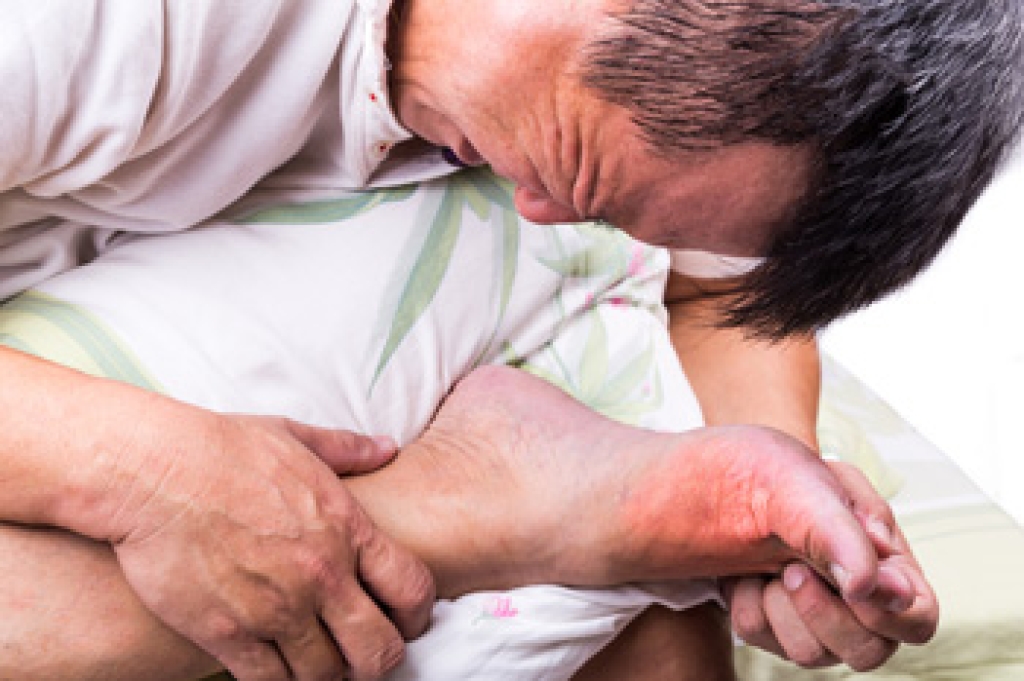
Gout is a type of arthritis that occurs when uric acid crystals accumulate in the joints, most commonly affecting the big toe. It can cause sudden and intense pain, swelling, redness, and warmth in the affected area, making walking or wearing shoes difficult. Causes include high levels of uric acid in the blood, dietary factors, genetics, and certain medical conditions. Risk factors involve obesity, high purine diets, alcohol consumption, and family history. A podiatrist can diagnose gout, recommend lifestyle modifications, prescribe medications to reduce uric acid levels, and provide strategies to manage pain and prevent flare ups. If you have intense pain in your big toe, it is strongly suggested that you are under the care of a podiatrist who can accurately diagnose and help you to manage this painful condition. 

Gout is a painful condition that can be treated. If you are seeking treatment, contact Joan Oloff, DPM from Los Gatos Foot and Ankle . Our doctor will treat your foot and ankle needs.

What Is Gout?

Gout is a form of arthritis that is characterized by sudden, severe attacks of pain, redness, and tenderness in the joints. The condition usually affects the joint at the base of the big toe. A gout attack can occur at any random time, such as the middle of the night while you are asleep.

Symptoms

  • Intense Joint Pain - Usually around the large joint of your big toe, and it most severe within the first four to twelve hours
  • Lingering Discomfort - Joint discomfort may last from a few days to a few weeks
  • Inflammation and Redness -Affected joints may become swollen, tender, warm and red
  • Limited Range of Motion - May experience a decrease in joint mobility

Risk Factors

  • Genetics - If family members have gout, you’re more likely to have it
  • Medications - Diuretic medications can raise uric acid levels
  • Gender/Age - Gout is more common in men until the age of 60. It is believed that estrogen protects women until that point
  • Diet - Eating red meat and shellfish increases your risk
  • Alcohol - Having more than two alcoholic drinks per day increases your risk
  • Obesity - Obese people are at a higher risk for gout

Prior to visiting your podiatrist to receive treatment for gout, there are a few things you should do beforehand. If you have gout you should write down your symptoms--including when they started and how often you experience them, important medical information you may have, and any questions you may have. Writing down these three things will help your podiatrist in assessing your specific situation so that he or she may provide the best route of treatment for you.

If you have any questions, please feel free to contact our office located in Los Gatos, CA . We offer the newest diagnostic and treatment technologies for all your foot care needs.
Read more about Gout

Plantar Warts and How to Prevent Them

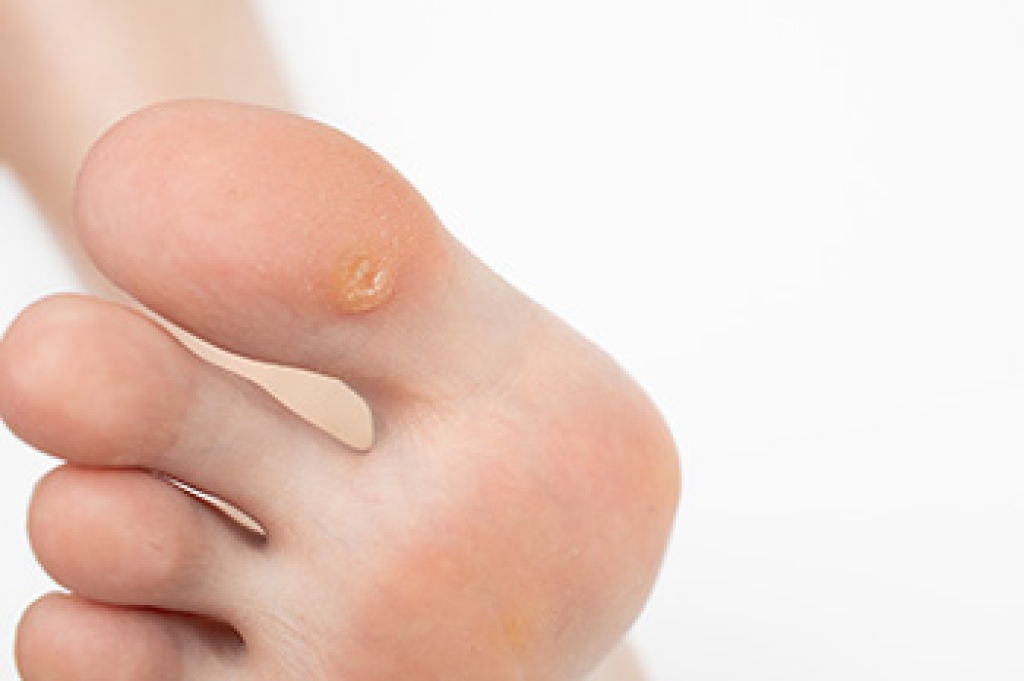
A plantar wart is a small, rough growth that appears on the bottom of the foot, caused by the human papillomavirus, or HPV, infecting the skin through tiny cuts or abrasions. Common causes include walking barefoot in public areas, such as near pools, or in locker rooms or showers, where the virus thrives. Symptoms may include a small, thickened area of skin, extreme pain while walking or standing, and sometimes black dots within the wart. Preventing plantar warts involves keeping feet clean and dry, avoiding direct contact with contaminated surfaces, and wearing protective footwear in public spaces. A podiatrist can diagnose plantar warts, provide safe treatment options, and offer guidance to prevent recurrence. If you have concentrated foot pain while standing or walking, it is suggested that you consult a podiatrist who can provide an accurate diagnosis and treatment. 

Plantar warts can be very uncomfortable. If you need your feet checked, contact Joan Oloff, DPM from Los Gatos Foot and Ankle . Our doctor will assist you with all of your foot and ankle needs.

About Plantar Warts

Plantar warts are the result of HPV, or human papillomavirus, getting into open wounds on the feet. They are mostly found on the heels or balls of the feet.

While plantar warts are generally harmless, those experiencing excessive pain or those suffering from diabetes or a compromised immune system require immediate medical care. Plantar warts are easily diagnosed, usually through scraping off a bit of rough skin or by getting a biopsy.

Symptoms

  • Lesions on the bottom of your feet, usually rough and grainy
  • Hard or thick callused spots
  • Wart seeds, which are small clotted blood vessels that look like little black spots
  • Pain, discomfort, or tenderness of your feet when walking or standing

Treatment

  • Freezing
  • Electric tool removal
  • Laser Treatment
  • Topical Creams (prescription only)
  • Over-the-counter medications

To help prevent developing plantar warts, avoid walking barefoot over abrasive surfaces that can cause cuts or wounds for HPV to get into. Avoiding direct contact with other warts, as well as not picking or rubbing existing warts, can help prevent the further spread of plantar warts. However, if you think you have developed plantar warts, speak to your podiatrist. He or she can diagnose the warts on your feet and recommend the appropriate treatment options.

If you have any questions, please feel free to contact our office located in Los Gatos, CA . We offer the newest diagnostic and treatment technologies for all your foot care needs.
Read more about What Are Plantar Warts?

Connect With Us

Advanced Podiatric Procedures & Services in the Santa Clara County: Los Gatos, San Jose, Monte Sereno, Saratoga, Cambrian Park, Campbell, Cupertino, Santa Clara areas