Why Plantar Warts Develop

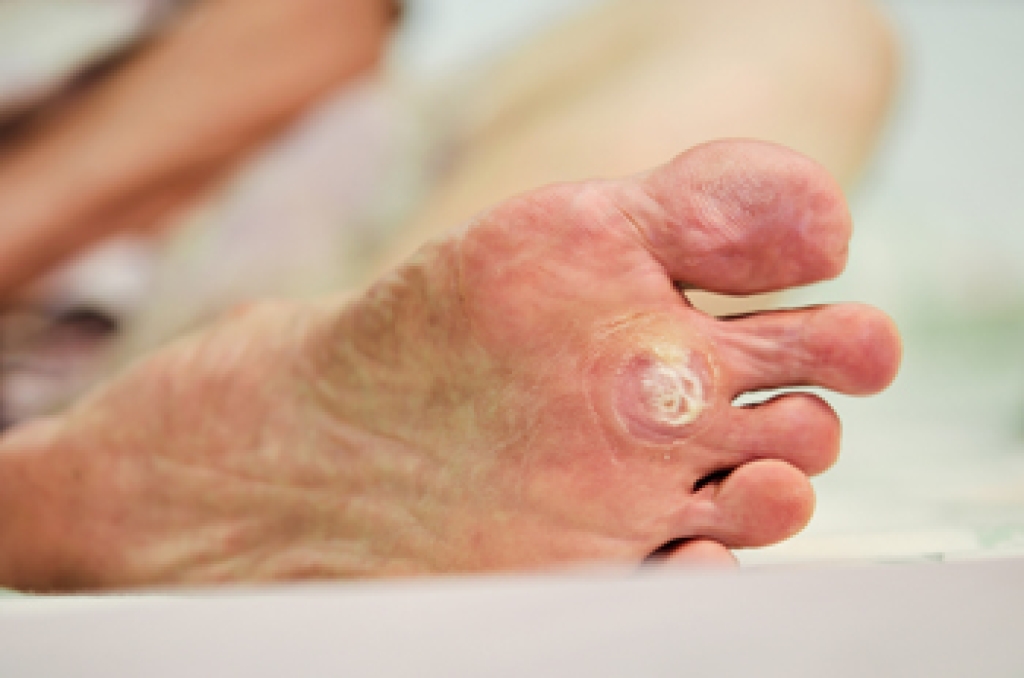
A rough spot on the sole of your foot may look like a callus but could be a plantar wart. This small skin growth develops when a virus enters the skin. Plantar warts usually appear on the bottom of the foot, where pressure from standing can push them deeper into the skin. They can look like calluses because the surface becomes thick and hard. Tiny black dots may appear within the growth. These dots are small areas of dried blood, not dirt. Some warts cause pain while walking, especially when pressure falls directly on the affected area. Others cause little discomfort at first.

Plantar warts develop after contact with human papillomavirus, also called HPV. This virus causes warts on other parts of the body, too. Children, teenagers, and older adults are frequently affected. A single wart can grow larger and develop smaller warts nearby. Another form, called mosaic warts, consists of several small growths packed closely together. These clusters can be harder to treat. A podiatrist examines the skin to distinguish a wart from a callus or another growth. Checking the area is important because different skin problems can look alike.

Treatment focuses on removing the wart and reducing discomfort. A podiatrist can recommend medicine applied directly to the growth or an acid treatment that removes affected skin. Another option is freezing the wart with a special treatment called cryotherapy. Laser treatment may also be considered for stubborn cases. The best approach depends on the wart's size, location, and response to previous care. Follow-up appointments allow a podiatrist to check progress and determine whether more treatment is appropriate. Plantar warts can return after treatment, so careful monitoring matters. If you have symptoms of plantar warts, it is suggested that you schedule an appointment with a podiatrist for diagnosis and treatment.

Plantar warts can be very uncomfortable. If you need your feet checked, contact Joan Oloff, DPM from Los Gatos Foot and Ankle . Our doctor will assist you with all of your foot and ankle needs.

About Plantar Warts

Plantar warts are the result of HPV, or human papillomavirus, getting into open wounds on the feet. They are mostly found on the heels or balls of the feet.

While plantar warts are generally harmless, those experiencing excessive pain or those suffering from diabetes or a compromised immune system require immediate medical care. Plantar warts are easily diagnosed, usually through scraping off a bit of rough skin or by getting a biopsy.

Symptoms

  • Lesions on the bottom of your feet, usually rough and grainy
  • Hard or thick callused spots
  • Wart seeds, which are small clotted blood vessels that look like little black spots
  • Pain, discomfort, or tenderness of your feet when walking or standing

Treatment

  • Freezing
  • Electric tool removal
  • Laser Treatment
  • Topical Creams (prescription only)
  • Over-the-counter medications

To help prevent developing plantar warts, avoid walking barefoot over abrasive surfaces that can cause cuts or wounds for HPV to get into. Avoiding direct contact with other warts, as well as not picking or rubbing existing warts, can help prevent the further spread of plantar warts. However, if you think you have developed plantar warts, speak to your podiatrist. He or she can diagnose the warts on your feet and recommend the appropriate treatment options.

If you have any questions, please feel free to contact our office located in Los Gatos, CA . We offer the newest diagnostic and treatment technologies for all your foot care needs.


Read more about Plantar Warts

How Foot Biomechanics Affect Movement

Foot biomechanics refers to the way the bones, joints, ligaments, and muscles work together during movement. The feet form an important part of the lower body’s movement system because they interact directly with the ground. When walking, they must manage forces created by body weight while helping the body remain balanced. Normal foot biomechanics allow these forces to be distributed throughout the foot and lower leg. The arches also play an important role in supporting weight. Bones and ligaments provide stability, while the tissue along the bottom of the foot helps absorb stress as the toes extend during push-off.


Walking requires the foot and ankle to change position with each step. Pronation happens after the heel touches the ground. The foot rolls slightly inward and becomes more flexible, helping it absorb shock and adjust to the walking surface. Later, supination occurs as the foot rolls slightly outward. This makes the foot firmer and more stable so it can push off the ground. Together, pronation and supination help maintain balance, spread pressure across the foot, and support smooth movement.


A podiatrist can evaluate foot biomechanics when pain or changes in walking suggest that the feet are not functioning efficiently. Abnormal pronation or supination can influence other areas because movement of the feet is connected with the lower legs and knees. The effects may extend higher through the body as well. A biomechanical evaluation can examine foot position, joint movement, and walking patterns to better understand how forces travel through the lower body. Identifying unusual movement patterns can help guide appropriate podiatric treatment for related foot and ankle concerns. If foot pain or changes in your walking pattern are affecting comfortable movement, it is suggested that you consult a podiatrist for a professional evaluation and appropriate treatment options.

If you have any concerns about your feet, contact Joan Oloff, DPM from Los Gatos Foot and Ankle . Our doctor can provide the care you need to keep you pain-free and on your feet.

Biomechanics in Podiatry

Podiatric biomechanics is a particular sector of specialty podiatry with licensed practitioners who are trained to diagnose and treat conditions affecting the foot, ankle and lower leg. Biomechanics deals with the forces that act against the body, causing an interference with the biological structures. It focuses on the movement of the ankle, the foot and the forces that interact with them.

A History of Biomechanics

  • Biomechanics dates back to the BC era in Egypt where evidence of professional foot care has been recorded.
  • In 1974, biomechanics gained a higher profile from the studies of Merton Root, who claimed that by changing or controlling the forces between the ankle and the foot, corrections or conditions could be implemented to gain strength and coordination in the area.

Modern technological improvements are based on past theories and therapeutic processes that provide a better understanding of podiatric concepts for biomechanics. Computers can provide accurate information about the forces and patterns of the feet and lower legs.

Understanding biomechanics of the feet can help improve and eliminate pain, stopping further stress to the foot.

If you have any questions please feel free to contact our office located in Los Gatos, CA . We offer the newest diagnostic and treatment technologies for all your foot and ankle needs.

Read more about The Importance of Biomechanics in Podiatry

Reminder: When Was the Last Time...?

Custom orthotics, or shoe inserts, should be periodically replaced. Orthotics must fit properly to give you the best results. Protect your feet and ankles!

Understanding Gout and Foot Pain

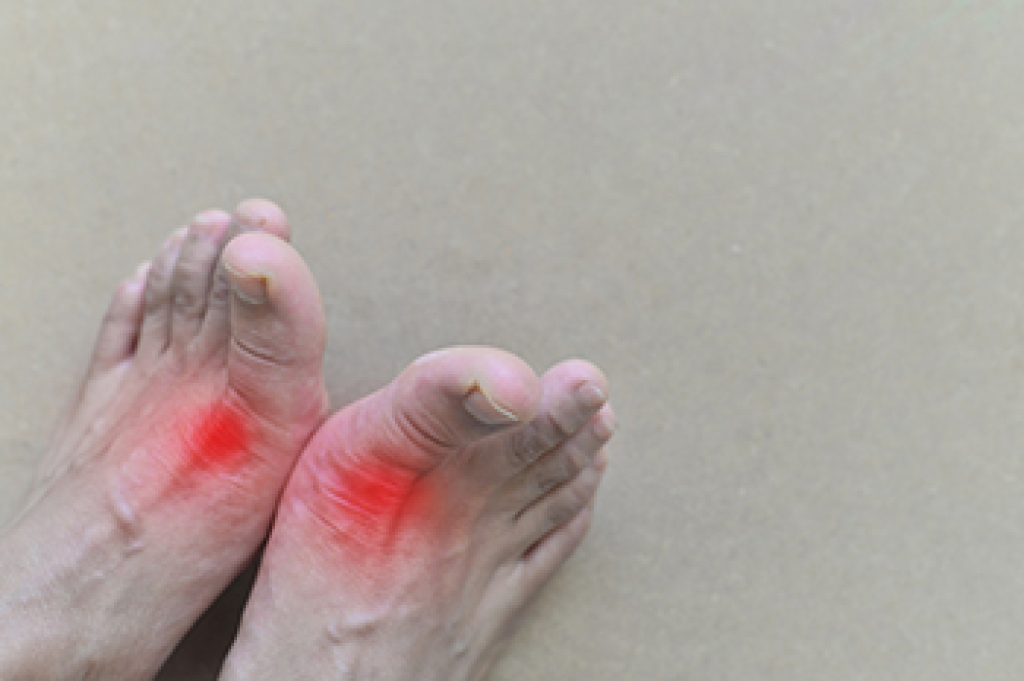
Gout is a form of arthritis that can cause sudden and intense joint pain. It develops when uric acid builds up in the body and forms small crystals inside or around a joint. Uric acid is a waste product that is normally carried in the blood and removed from the body. Gout frequently affects the joint at the base of the big toe, although other foot and ankle joints can also be involved. Symptoms can include severe pain, swelling, and redness. The affected joint can also feel warm and extremely sensitive to pressure. A gout attack can begin suddenly, and even light contact against the painful area can be uncomfortable. Repeated attacks can affect normal joint function and make standing or walking difficult.

A podiatrist can evaluate foot or ankle pain to determine whether the symptoms are consistent with gout. An examination can include checking the location of pain, joint swelling, and areas of tenderness. The podiatrist can also evaluate how the affected joint moves and determine how symptoms are influencing foot function. Treatment can focus on reducing pain and inflammation associated with a gout attack. A podiatrist can also address foot problems that make standing or walking uncomfortable while the joint is irritated. When gout affects the big toe, treatment can help reduce pressure on the painful joint and support better foot function. Care can be adjusted according to the patient's symptoms and examination findings.

Gout can interfere with work, exercise, and everyday activities because placing pressure on the affected foot can be painful. Repeated episodes can also contribute to joint stiffness and reduced movement. A podiatrist can monitor changes in the affected foot and develop a treatment plan based on the patient's symptoms. Care can focus on protecting painful joints and improving comfort while walking. The podiatrist can also identify related foot problems that could place additional pressure on sensitive areas. Proper evaluation is important because several foot conditions can cause symptoms that resemble gout. If you have symptoms of gout, it is suggested that you make an appointment with a podiatrist for diagnosis and treatment.

Gout is a painful condition that can be treated. If you are seeking treatment, contact Joan Oloff, DPM from Los Gatos Foot and Ankle . Our doctor will treat your foot and ankle needs.

What Is Gout?

Gout is a form of arthritis that is characterized by sudden, severe attacks of pain, redness, and tenderness in the joints. The condition usually affects the joint at the base of the big toe. A gout attack can occur at any random time, such as the middle of the night while you are asleep.

Symptoms

  • Intense Joint Pain - Usually around the large joint of your big toe, and it most severe within the first four to twelve hours
  • Lingering Discomfort - Joint discomfort may last from a few days to a few weeks
  • Inflammation and Redness -Affected joints may become swollen, tender, warm and red
  • Limited Range of Motion - May experience a decrease in joint mobility

Risk Factors

  • Genetics - If family members have gout, you’re more likely to have it
  • Medications - Diuretic medications can raise uric acid levels
  • Gender/Age - Gout is more common in men until the age of 60. It is believed that estrogen protects women until that point
  • Diet - Eating red meat and shellfish increases your risk
  • Alcohol - Having more than two alcoholic drinks per day increases your risk
  • Obesity - Obese people are at a higher risk for gout

Prior to visiting your podiatrist to receive treatment for gout, there are a few things you should do beforehand. If you have gout you should write down your symptoms--including when they started and how often you experience them, important medical information you may have, and any questions you may have. Writing down these three things will help your podiatrist in assessing your specific situation so that he or she may provide the best route of treatment for you.

If you have any questions, please feel free to contact our office located in Los Gatos, CA . We offer the newest diagnostic and treatment technologies for all your foot care needs.
Read more about Gout

Broken Toe Symptoms and Treatment

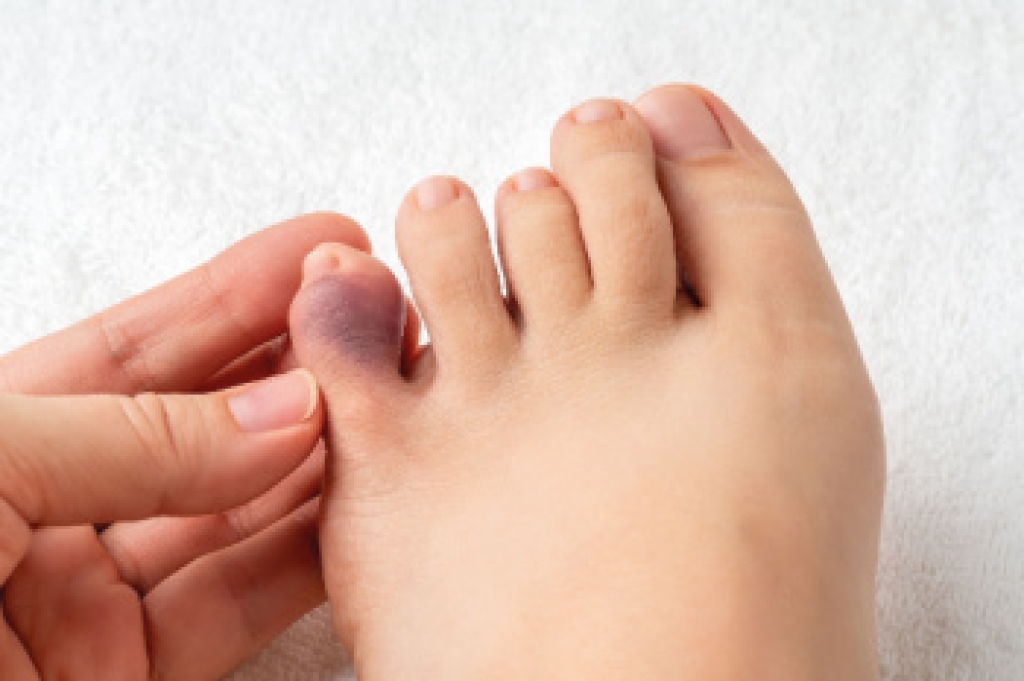
A broken toe occurs when one of the small bones in a toe cracks or breaks. The injury can range from a small hairline crack to a break in which pieces of bone move out of their normal position. Broken toes can result from stubbing a toe, dropping a heavy object on the foot, or forcefully bending a toe. A stress fracture, which is a small crack caused by repeated pressure, can also develop after a sudden increase in activities like running or walking. Symptoms include pain, swelling, and bruising. Some patients hear or feel a snap or pop when the injury happens. The injured toe can also appear crooked or out of position.

A podiatrist can evaluate a painful toe to determine whether a fracture is present and how serious the injury is. The examination can include checking the toe for tenderness, swelling, and changes in position. An X-ray can help confirm a fracture or determine whether the toe is dislocated. Treatment depends on which toe is injured and where the break is located. The severity of the fracture also affects treatment decisions. Injuries to the big toe can require more medical attention because this toe has an important role in balance and movement. A podiatrist can determine the appropriate treatment and monitor the toe as the bone heals.

Podiatric treatment for a broken toe focuses on keeping the injured bone in a proper position and protecting it while it heals. Depending on the fracture, a podiatrist can use buddy taping, a splint, or a cast to stabilize the toe. Buddy taping means securing the injured toe to a neighboring healthy toe for support. More serious fractures can require additional treatment, and surgery can be an option for a severe break. A podiatrist can also determine when it is safe to return to regular activities. Proper treatment is important because an untreated fracture can lead to lasting pain, limited movement, or a change in the toe's shape. If you have broken your toe, it is suggested that you schedule an appointment with a podiatrist for effective relief and treatment solutions.

Broken toes may cause a lot of pain and should be treated as soon as possible. If you have any concerns about your feet, contact Joan Oloff, DPM from Los Gatos Foot and Ankle . Our doctor will treat your foot and ankle needs.

What Is a Broken Toe?

A broken toe occurs when one or more of the toe bones of the foot are broken after an injury. Injuries such as stubbing your toe or dropping a heavy object on it may cause a toe fracture.

Symptoms of a Broken Toe

  • Swelling
  • Pain (with/without wearing shoes)
  • Stiffness
  • Nail Injury

Although the injured toe should be monitored daily, it is especially important to have a podiatrist look at your toe if you have severe symptoms. Some of these symptoms include worsening or new pain that is not relieved with medication, sores, redness, or open wounds near the toe.

If you have any questions please feel free to contact our office located in Los Gatos, CA . We offer the newest diagnostic tools and technology to treat your foot and ankle needs.

Read more about What to Know About a Broken Toe

Connect With Us

Advanced Podiatric Procedures & Services in the Santa Clara County: Los Gatos, San Jose, Monte Sereno, Saratoga, Cambrian Park, Campbell, Cupertino, Santa Clara areas