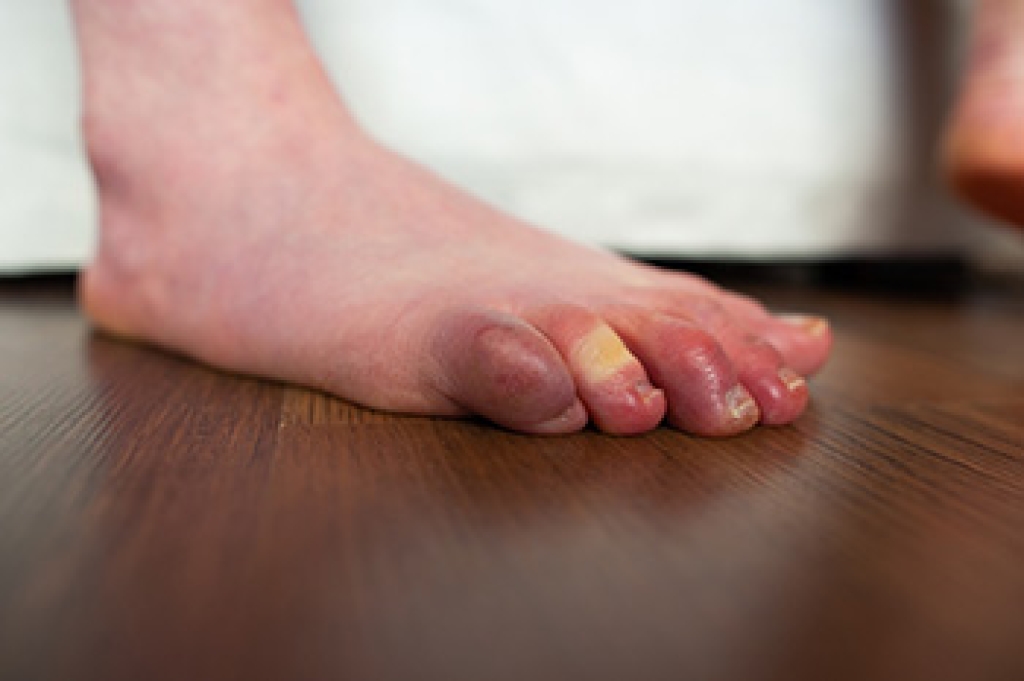
Trench Foot Explained

Trench foot, also known as immersion foot, is a non-freezing cold injury that develops when the feet are exposed to wet and cold conditions for an extended period of time. This condition gained recognition during wartime, but remains relevant today in outdoor workers, athletes, and individuals exposed to damp environments. Prolonged moisture weakens the skin barrier and disrupts circulation, leading to tissue damage. Unlike frostbite, trench foot can occur in temperatures above freezing, making awareness essential for prevention and early care. Understanding this condition supports better foot health and reduces the risk of long term complications.

The symptoms of trench foot often begin with tingling, itching, or a burning sensation in the feet. As the condition progresses, the skin may appear pale, wrinkled, or waterlogged. Swelling and pain can develop, along with redness, once circulation begins to return. In more advanced stages, blisters, open sores, and skin breakdown may occur, increasing the risk of infection. Some individuals also experience numbness or heaviness in the affected area. Recognizing these symptoms early is important to prevent further damage and support proper recovery.

Several risk factors increase the likelihood of developing trench foot. Prolonged exposure to wet socks, damp shoes, or standing water is the primary cause. Cold weather conditions combined with poor foot hygiene further contribute to the risk. Wearing tight footwear that restricts circulation can worsen the condition, as can limited mobility or prolonged standing. Individuals with poor circulation or underlying health conditions may be more vulnerable. Understanding these risk factors helps guide preventive strategies and supports overall foot care in challenging environments.

The main cause of trench foot is sustained exposure to moisture and cold, which leads to constricted blood vessels and reduced oxygen supply to the tissues. This combination damages the skin and underlying structures over time. Preventive care includes keeping feet clean and dry, changing socks regularly, and wearing properly fitted water resistant footwear. Early intervention is essential to avoid complications such as infection or tissue damage. If you have symptoms of trench foot, it is suggested you consult a podiatrist for an accurate diagnosis and appropriate treatment.

Foot Pain

Foot pain can be extremely painful and debilitating. If you have a foot pain, consult with Joan Oloff, DPM from Los Gatos Foot and Ankle . Our doctor will assess your condition and provide you with quality foot and ankle treatment.

Causes

Foot pain is a very broad condition that could be caused by one or more ailments. The most common include:

  • Bunions
  • Hammertoes
  • Plantar Fasciitis
  • Bone Spurs
  • Corns
  • Tarsal Tunnel Syndrome
  • Ingrown Toenails
  • Arthritis (such as Gout, Rheumatoid, and Osteoarthritis)
  • Flat Feet
  • Injury (from stress fractures, broken toe, foot, ankle, Achilles tendon ruptures, and sprains)
  • And more

Diagnosis

To figure out the cause of foot pain, podiatrists utilize several different methods. This can range from simple visual inspections and sensation tests to X-rays and MRI scans. Prior medical history, family medical history, and any recent physical traumatic events will all be taken into consideration for a proper diagnosis.

Treatment

Treatment depends upon the cause of the foot pain. Whether it is resting, staying off the foot, or having surgery; podiatrists have a number of treatment options available for foot pain.

If you have any questions, please feel free to contact our office located in Los Gatos, CA . We offer the newest diagnostic and treatment technologies for all your foot care needs.


Read more about Foot Pain

Managing and Preventing Ingrown Toenails

An ingrown toenail develops when the edge of the nail grows into the surrounding skin, causing pain, redness, swelling, and sometimes infection. Tight footwear, improper nail trimming, toe injuries, and inherited nail shape can all contribute. Early treatment from a podiatrist may include relieving pressure, reducing inflammation, treating infection if present, and safely correcting the nail edge. In recurring or severe cases, a minor in-office procedure may be recommended to remove part of the nail and help prevent the problem from returning. Prevention focuses on proper nail trimming, avoiding overly tight shoes, managing excessive foot moisture, and addressing foot structure issues that increase pressure on the toes. Attempting aggressive self-treatment can worsen pain or introduce infection, especially for people with diabetes or circulation concerns. Prompt care can prevent a minor nail problem from becoming more serious. If you are dealing with persistent toe pain or have signs of an ingrown toenail, it is suggested that you promptly visit a podiatrist for appropriate treatment solutions.

Ingrown toenails can become painful if they are not treated properly. For more information about ingrown toenails, contact Joan Oloff, DPM of Los Gatos Foot and Ankle . Our doctor can provide the care you need to keep you pain-free and on your feet.

Ingrown Toenails

Ingrown toenails occur when a toenail grows sideways into the bed of the nail, causing pain, swelling, and possibly infection.

Causes

  • Bacterial infections
  • Improper nail cutting such as cutting it too short or not straight across
  • Trauma to the toe, such as stubbing, which causes the nail to grow back irregularly
  • Ill-fitting shoes that bunch the toes too close together
  • Genetic predisposition

Prevention

Wearing proper fitting shoes and using proper cutting techniques will also help decrease your risk of developing ingrown toenails.

Treatment

Ingrown toenails are a very treatable foot condition. In minor cases, soaking the affected area in salt or antibacterial soaps will not only help with the ingrown nail itself, but also help prevent any infections from occurring. In more severe cases, surgery is an option. In either case, speaking to your podiatrist about this condition will help you get a better understanding of specific treatment options that are right for you.

If you have any questions, please feel free to contact our office located in Los Gatos, CA . We offer the newest diagnostic and treatment technologies for all your foot care needs.

Read more about Ingrown Toenail Care

Do Your Child's Feet Hurt?

Have your child's feet been examined lately? Healthy feet are happy feet. If your child is complaining of foot pain, it may be a sign of underlying problems.

Dealing With Heel Pain That Lingers

Plantar fasciitis is a condition that affects the thick band of tissue along the bottom of the foot, known as the plantar fascia. It often appears as sharp heel pain, especially with the first steps in the morning or after long periods of standing. The condition develops when this tissue becomes irritated or strained from repeated stress. Common causes include overuse, poor foot support, tight calf muscles, and long hours of standing on hard surfaces. Risk factors include obesity, flat feet, high arches, and wearing non-supportive footwear. Over time, the pain may become more frequent and interfere with daily movement. A podiatrist can diagnose plantar fasciitis, evaluate foot mechanics, and provide targeted treatment to reduce inflammation and improve function. If you have heel pain, it is suggested that you consult a podiatrist who can accurately diagnose and treat plantar fasciitis.

Plantar fasciitis is a common foot condition that is often caused by a strain injury. If you are experiencing heel pain or symptoms of plantar fasciitis, contact Joan Oloff, DPM from Los Gatos Foot and Ankle . Our doctor can provide the care you need to keep you pain-free and on your feet.

What Is Plantar Fasciitis?

Plantar fasciitis is one of the most common causes of heel pain. The plantar fascia is a ligament that connects your heel to the front of your foot. When this ligament becomes inflamed, plantar fasciitis is the result. If you have plantar fasciitis you will have a stabbing pain that usually occurs with your first steps in the morning. As the day progresses and you walk around more, this pain will start to disappear, but it will return after long periods of standing or sitting.

What Causes Plantar Fasciitis?

  • Excessive running
  • Having high arches in your feet
  • Other foot issues such as flat feet
  • Pregnancy (due to the sudden weight gain)
  • Being on your feet very often

There are some risk factors that may make you more likely to develop plantar fasciitis compared to others. The condition most commonly affects adults between the ages of 40 and 60. It also tends to affect people who are obese because the extra pounds result in extra stress being placed on the plantar fascia.

Prevention

  • Take good care of your feet – Wear shoes that have good arch support and heel cushioning.
  • Maintain a healthy weight
  • If you are a runner, alternate running with other sports that won’t cause heel pain

There are a variety of treatment options available for plantar fasciitis along with the pain that accompanies it. Additionally, physical therapy is a very important component in the treatment process. It is important that you meet with your podiatrist to determine which treatment option is best for you.

If you have any questions, please feel free to contact our office located in Los Gatos, CA . We offer the newest diagnostic and treatment technologies for all your foot care needs.
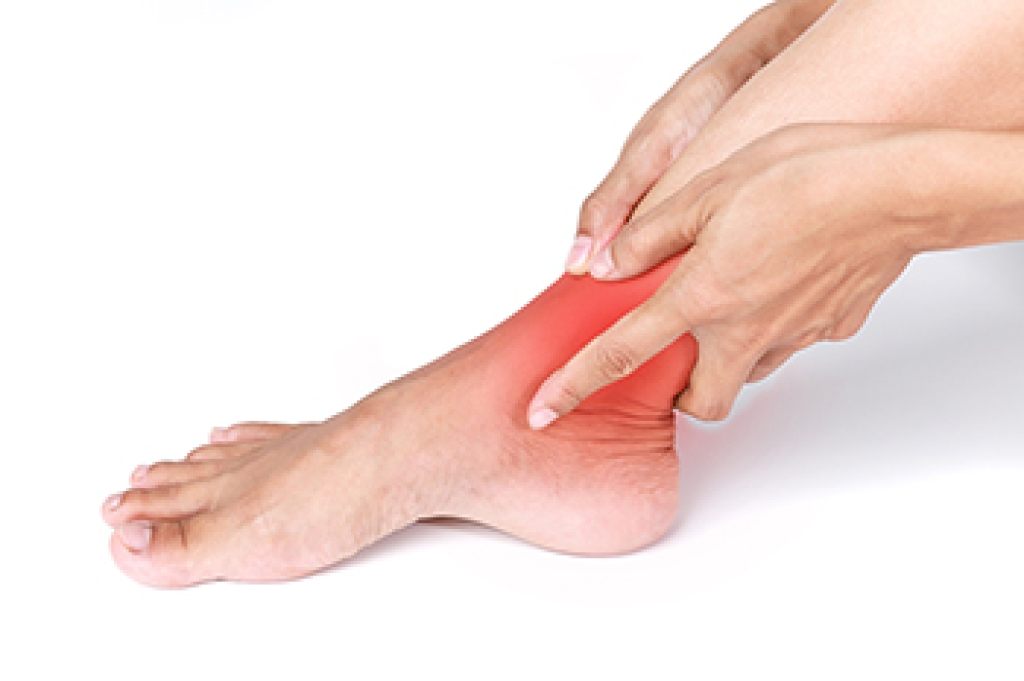
 

Read more about Plantar Fasciitis

Common Causes of Ankle Pain

Ankle pain can develop from several conditions that affect the bones, ligaments, and tendons surrounding the joint. An Achilles tendon injury often causes pain at the back of the ankle, especially during movement or after activity. Fractures involve a break in one of the ankle bones and may appear with severe pain, swelling, and difficulty bearing weight. Sprains occur when ligaments are stretched or torn, while strains affect muscles or tendons, both leading to discomfort and instability. Risk factors include sports activity, uneven surfaces, wearing poor footwear, and sudden changes in movement. Symptoms may vary, but often include swelling, bruising, and limited motion. A podiatrist can determine the exact cause through examination and imaging, then guide treatment to restore strength and function. If you have ankle pain, it is suggested that you consult a podiatrist who can accurately diagnose and treat the problem.

Ankle pain can be caused by a number of problems and may be potentially serious. If you have ankle pain, consult with Joan Oloff, DPM from Los Gatos Foot and Ankle . Our doctor will assess your condition and provide you with quality foot and ankle treatment.

Ankle pain is any condition that causes pain in the ankle. Due to the fact that the ankle consists of tendons, muscles, bones, and ligaments, ankle pain can come from a number of different conditions.

Causes

The most common causes of ankle pain include:

  • Types of arthritis (rheumatoid, osteoarthritis, and gout)
  • Ankle sprains
  • Broken ankles
  • Achilles tendonitis
  • Achilles tendon rupture
  • Stress fractures
  • Bursitis
  • Tarsal tunnel syndrome
  • Plantar fasciitis

Symptoms

Symptoms of ankle injury vary based upon the condition. Pain may include general pain and discomfort, swelling, aching, redness, bruising, burning or stabbing sensations, and/or loss of sensation.

Diagnosis

Due to the wide variety of potential causes of ankle pain, podiatrists will utilize a number of different methods to properly diagnose ankle pain. This can include asking for personal and family medical histories and of any recent injuries. Further diagnosis may include sensation tests, a physical examination, and potentially x-rays or other imaging tests.

Treatment

Just as the range of causes varies widely, so do treatments. Some more common treatments are rest, ice packs, keeping pressure off the foot, orthotics and braces, medication for inflammation and pain, and surgery.

If you have any questions please feel free to contact our office located in Los Gatos, CA . We offer the newest diagnostic tools and technology to treat your foot and ankle needs.

Read more about Ankle Pain

Connect With Us

Advanced Podiatric Procedures & Services in the Santa Clara County: Los Gatos, San Jose, Monte Sereno, Saratoga, Cambrian Park, Campbell, Cupertino, Santa Clara areas