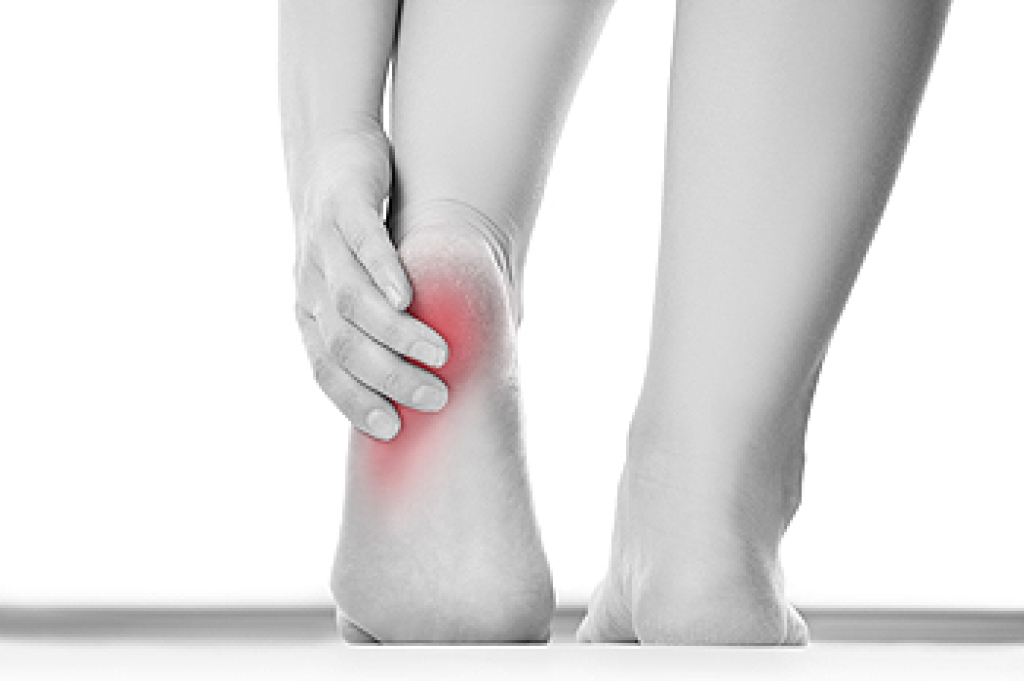
Why Does My Heel Hurt?

Heel pain is a common issue that can affect the underside, back, or side of the heel. Plantar fasciitis is the most common source of pain that occurs under the heel, and Achilles tendonitis is the most common source of pain at the back of the heel. Other causes of heel pain include arthritis, infection, trauma, or neurological issues. Heel bursitis, heel spurs, tarsal tunnel syndrome, and stress fractures can result in heel pain as well. Because heel pain often gradually becomes worse, it is important to consult with a podiatrist to get a proper diagnosis and treatment.

Many people suffer from bouts of heel pain. For more information, contact Joan Oloff, DPM of Los Gatos Foot and Ankle . Our doctor can provide the care you need to keep you pain-free and on your feet.

Causes of Heel Pain

Heel pain is often associated with plantar fasciitis. The plantar fascia is a band of tissues that extends along the bottom of the foot. A rip or tear in this ligament can cause inflammation of the tissue.

Achilles tendonitis is another cause of heel pain. Inflammation of the Achilles tendon will cause pain from fractures and muscle tearing. Lack of flexibility is also another symptom.

Heel spurs are another cause of pain. When the tissues of the plantar fascia undergo a great deal of stress, it can lead to ligament separation from the heel bone, causing heel spurs.

Why Might Heel Pain Occur?

  • Wearing ill-fitting shoes                
  • Wearing non-supportive shoes
  • Weight change           
  • Excessive running

Treatments

Heel pain should be treated as soon as possible for immediate results. Keeping your feet in a stress-free environment will help. If you suffer from Achilles tendonitis or plantar fasciitis, applying ice will reduce the swelling. Stretching before an exercise like running will help the muscles. Using all these tips will help make heel pain a condition of the past.

If you have any questions, please feel free to contact our office located in Los Gatos, CA . We offer the newest diagnostic and treatment technologies for all your foot care needs.
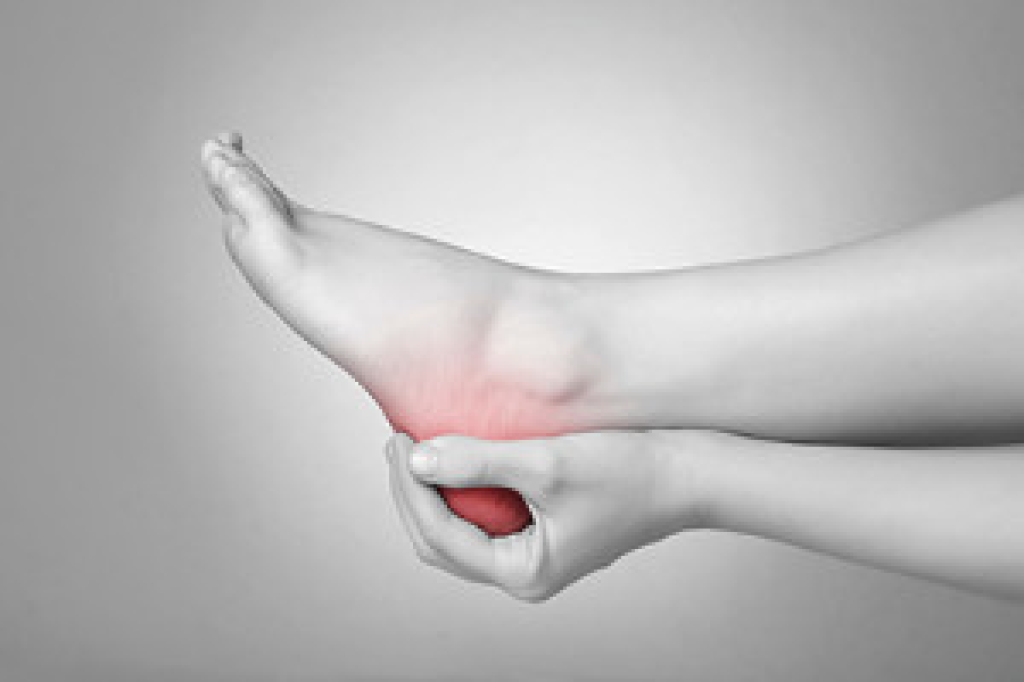
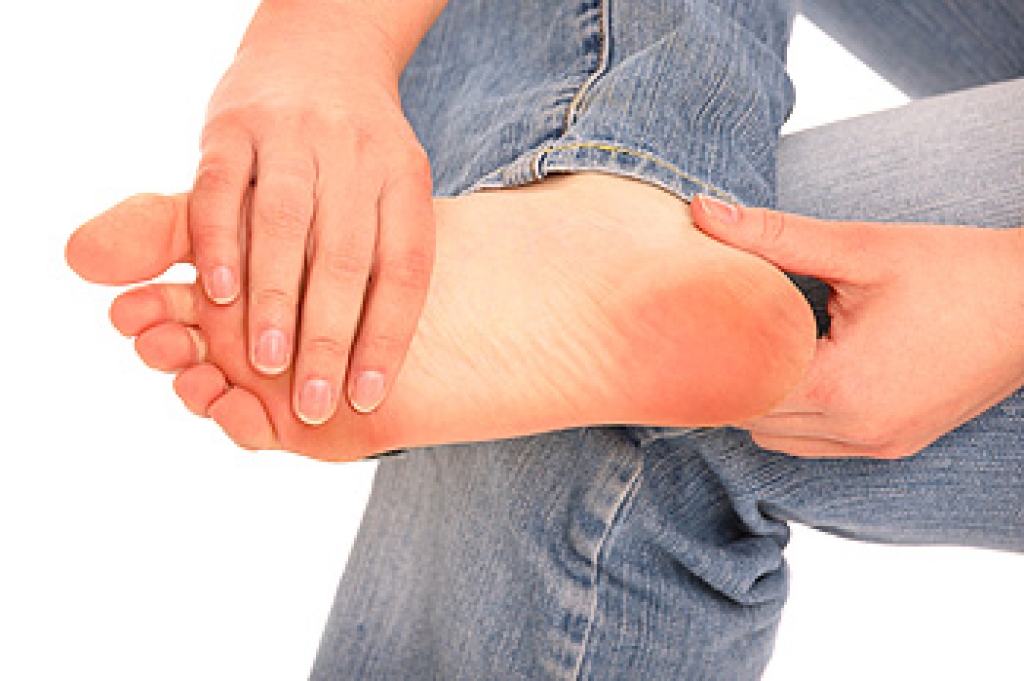
Read more about Heel Pain

What Is Causing My Heel Pain?

If you are suffering from heel pain, it could be a result of plantar fasciitis, which is the leading cause of heel pain. Plantar fasciitis occurs when the band on the bottom of the foot that connects the toes to the heel, called the plantar fascia, becomes inflamed. This commonly occurs in those who have problems with their arches, such as flat feet or overpronation. Common plantar fasciitis symptoms include pain in the bottom of the heel or the arch of the foot, pain that increases over time, pain that is worse when getting up in the morning, and swelling on the bottom of the heel. If you believe that you are suffering from plantar fasciitis, it is important to visit a podiatrist. A podiatrist will be able to provide a proper diagnosis and treatment method that may include medicine, taping/strapping, orthotics, casts, therapy, or surgery.

Plantar fasciitis is a common foot condition that is often caused by a strain injury. If you are experiencing heel pain or symptoms of plantar fasciitis, contact Joan Oloff, DPM from Los Gatos Foot and Ankle . Our doctor can provide the care you need to keep you pain-free and on your feet.

What Is Plantar Fasciitis?

Plantar fasciitis is one of the most common causes of heel pain. The plantar fascia is a ligament that connects your heel to the front of your foot. When this ligament becomes inflamed, plantar fasciitis is the result. If you have plantar fasciitis you will have a stabbing pain that usually occurs with your first steps in the morning. As the day progresses and you walk around more, this pain will start to disappear, but it will return after long periods of standing or sitting.

What Causes Plantar Fasciitis?

  • Excessive running
  • Having high arches in your feet
  • Other foot issues such as flat feet
  • Pregnancy (due to the sudden weight gain)
  • Being on your feet very often

There are some risk factors that may make you more likely to develop plantar fasciitis compared to others. The condition most commonly affects adults between the ages of 40 and 60. It also tends to affect people who are obese because the extra pounds result in extra stress being placed on the plantar fascia.

Prevention

  • Take good care of your feet – Wear shoes that have good arch support and heel cushioning.
  • Maintain a healthy weight
  • If you are a runner, alternate running with other sports that won’t cause heel pain

There are a variety of treatment options available for plantar fasciitis along with the pain that accompanies it. Additionally, physical therapy is a very important component in the treatment process. It is important that you meet with your podiatrist to determine which treatment option is best for you.

If you have any questions, please feel free to contact our office located in Los Gatos, CA . We offer the newest diagnostic and treatment technologies for all your foot care needs.
 

Read more about Plantar Fasciitis

Symptoms of Morton’s Neuroma

Many patients feel pain in the ball of their foot when the medical condition that is known as Morton’s neuroma exists. Additional symptoms can include a tingling or numbing sensation, and it may feel like there is a small stone or pebble in your shoe. It is an ailment that typically develops gradually and may occur from wearing shoes that do not fit correctly. There may also be medical conditions that can cause Morton’s neuroma. These can consist of having flat feet, bunions, hammertoes, or high arches. Mild relief may be found when wearing custom-made orthotics, shoes that are worn have adequate room in the toe area, or from getting foot massages that target the affected area. If you have symptoms of Morton’s neuroma, it is recommended that you speak with a podiatrist who can effectively treat this condition.

Morton’s neuroma is a very uncomfortable condition to live with. If you think you have Morton’s neuroma, contact Joan Oloff, DPM of Los Gatos Foot and Ankle . Our doctor will attend to all of your foot care needs and answer any of your related questions.  

Morton’s Neuroma

Morton's neuroma is a painful foot condition that commonly affects the areas between the second and third or third and fourth toe, although other areas of the foot are also susceptible. Morton’s neuroma is caused by an inflamed nerve in the foot that is being squeezed and aggravated by surrounding bones.

What Increases the Chances of Having Morton’s Neuroma?

  • Ill-fitting high heels or shoes that add pressure to the toe or foot
  • Jogging, running or any sport that involves constant impact to the foot
  • Flat feet, bunions, and any other foot deformities

Morton’s neuroma is a very treatable condition. Orthotics and shoe inserts can often be used to alleviate the pain on the forefront of the feet. In more severe cases, corticosteroids can also be prescribed. In order to figure out the best treatment for your neuroma, it’s recommended to seek the care of a podiatrist who can diagnose your condition and provide different treatment options.

If you have any questions, please feel free to contact our office located in Los Gatos, CA . We offer the newest diagnostic and treatment technologies for all your foot care needs.

Read more about Morton's Neuroma

Do I Need Bunion Surgery?

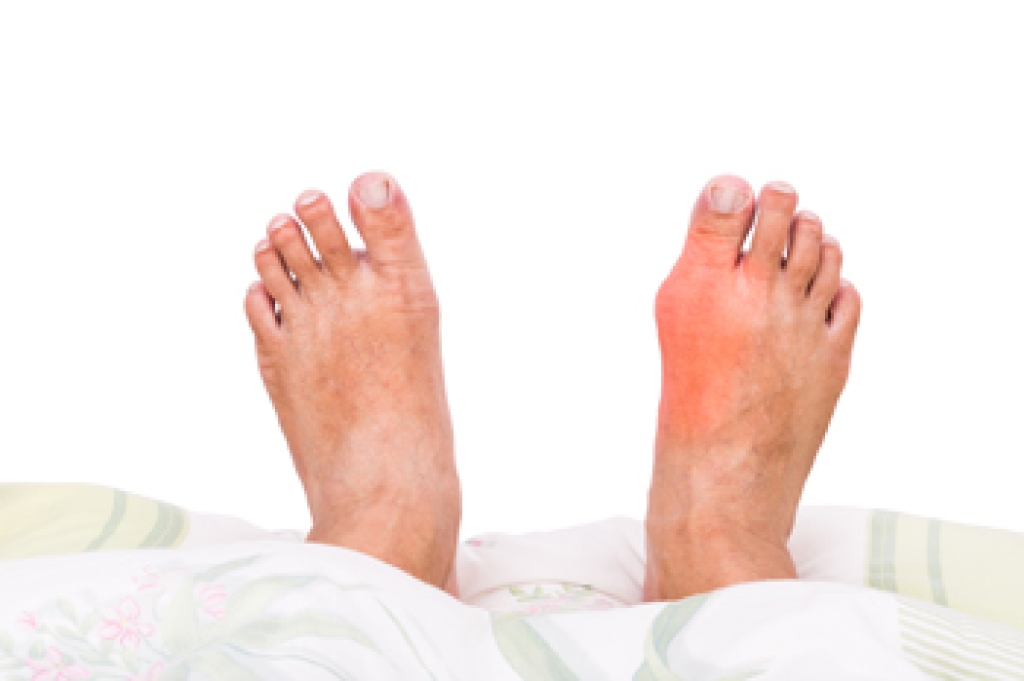
A bunion is a bony bump that forms along the base of the big toe. Bunions can cause pain and stiffness in the affected foot, as well as swelling. Sometimes surgery, also known as a bunionectomy, may be necessary to correct the deformity and relieve the pain. You may consider bunion surgery if you have severe pain when walking, even when you’re wearing flat comfortable shoes, or when you are unable to bend or straighten the big toe. Other reasons to consider surgery can be chronic inflammation of the big toe that doesn’t go away with rest or medicine, if the big toe becomes deformed, or if the big toe bends towards the smaller toes. A podiatrist can evaluate the severity of your bunion and determine if surgery is the correct method of treatment for you.

If you are suffering from bunions, contact Joan Oloff, DPM of Los Gatos Foot and Ankle . Our doctor can provide the care you need to keep you pain-free and on your feet.

What Is a Bunion?

A bunion is formed of swollen tissue or an enlargement of boney growth, usually located at the base joint of the toe that connects to the foot. The swelling occurs due to the bones in the big toe shifting inward, which impacts the other toes of the foot. This causes the area around the base of the big toe to become inflamed and painful.

Why Do Bunions Form?

Genetics – Susceptibility to bunions are often hereditary

Stress on the feet – Poorly fitted and uncomfortable footwear that places stress on feet, such as heels, can worsen existing bunions

How Are Bunions Diagnosed?

Podiatrists often perform two tests – blood tests and x-rays – when trying to diagnose bunions, especially in the early stages of development. Blood tests help determine if the foot pain is being caused by something else, such as arthritis, while x-rays provide a clear picture of your bone structure to your provider.

How Are Bunions Treated?

  • Refrain from wearing heels or similar shoes that cause discomfort
  • Select wider shoes that can provide more comfort and reduce pain
  • Anti-inflammatory and pain management drugs
  • Orthotics or foot inserts
  • Surgery

If you have any questions, please feel free to contact our office located in Los Gatos, CA . We offer the newest diagnostic and treatment technologies for all your foot care needs.

Read more about Bunions

Connect With Us

Advanced Podiatric Procedures & Services in the Santa Clara County: Los Gatos, San Jose, Monte Sereno, Saratoga, Cambrian Park, Campbell, Cupertino, Santa Clara areas