Foot biomechanics refers to the way the bones, joints, ligaments, and muscles work together during movement. The feet form an important part of the lower body’s movement system because they interact directly with the ground. When walking, they must manage forces created by body weight while helping the body remain balanced. Normal foot biomechanics allow these forces to be distributed throughout the foot and lower leg. The arches also play an important role in supporting weight. Bones and ligaments provide stability, while the tissue along the bottom of the foot helps absorb stress as the toes extend during push-off.
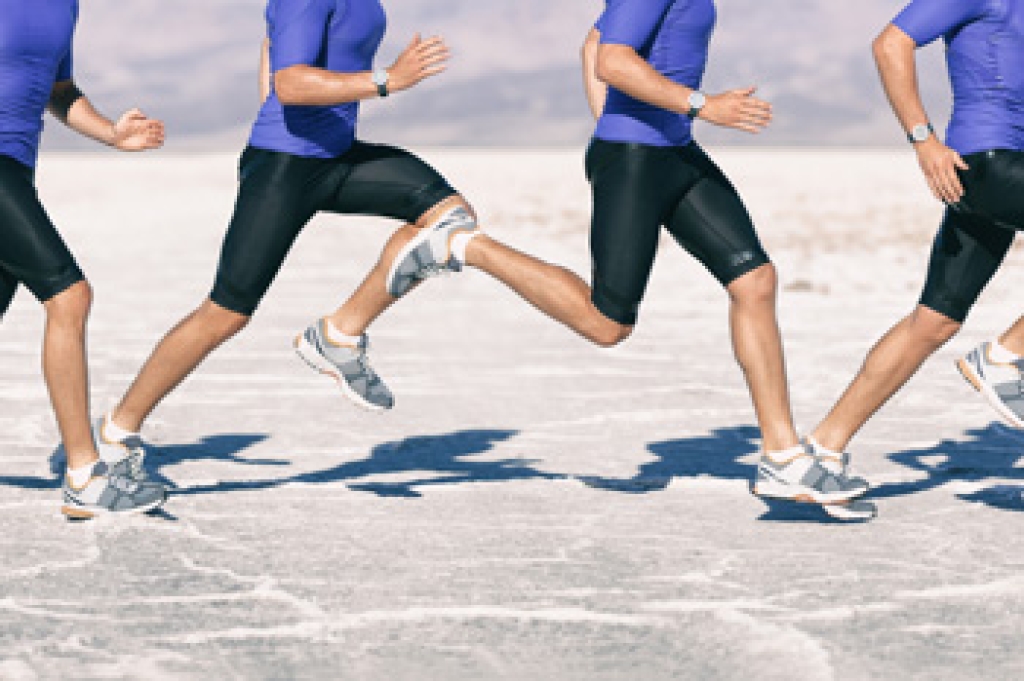
Walking requires the foot and ankle to change position with each step. Pronation happens after the heel touches the ground. The foot rolls slightly inward and becomes more flexible, helping it absorb shock and adjust to the walking surface. Later, supination occurs as the foot rolls slightly outward. This makes the foot firmer and more stable so it can push off the ground. Together, pronation and supination help maintain balance, spread pressure across the foot, and support smooth movement.
A podiatrist can evaluate foot biomechanics when pain or changes in walking suggest that the feet are not functioning efficiently. Abnormal pronation or supination can influence other areas because movement of the feet is connected with the lower legs and knees. The effects may extend higher through the body as well. A biomechanical evaluation can examine foot position, joint movement, and walking patterns to better understand how forces travel through the lower body. Identifying unusual movement patterns can help guide appropriate podiatric treatment for related foot and ankle concerns. If foot pain or changes in your walking pattern are affecting comfortable movement, it is suggested that you consult a podiatrist for a professional evaluation and appropriate treatment options.
If you have any concerns about your feet, contact Joan Oloff, DPM from Los Gatos Foot and Ankle . Our doctor can provide the care you need to keep you pain-free and on your feet.
Biomechanics in Podiatry
Podiatric biomechanics is a particular sector of specialty podiatry with licensed practitioners who are trained to diagnose and treat conditions affecting the foot, ankle and lower leg. Biomechanics deals with the forces that act against the body, causing an interference with the biological structures. It focuses on the movement of the ankle, the foot and the forces that interact with them.
A History of Biomechanics
- Biomechanics dates back to the BC era in Egypt where evidence of professional foot care has been recorded.
- In 1974, biomechanics gained a higher profile from the studies of Merton Root, who claimed that by changing or controlling the forces between the ankle and the foot, corrections or conditions could be implemented to gain strength and coordination in the area.
Modern technological improvements are based on past theories and therapeutic processes that provide a better understanding of podiatric concepts for biomechanics. Computers can provide accurate information about the forces and patterns of the feet and lower legs.
Understanding biomechanics of the feet can help improve and eliminate pain, stopping further stress to the foot.
If you have any questions please feel free to contact our office located in Los Gatos, CA . We offer the newest diagnostic and treatment technologies for all your foot and ankle needs.