How Podiatrists Treat Painful Bunionettes

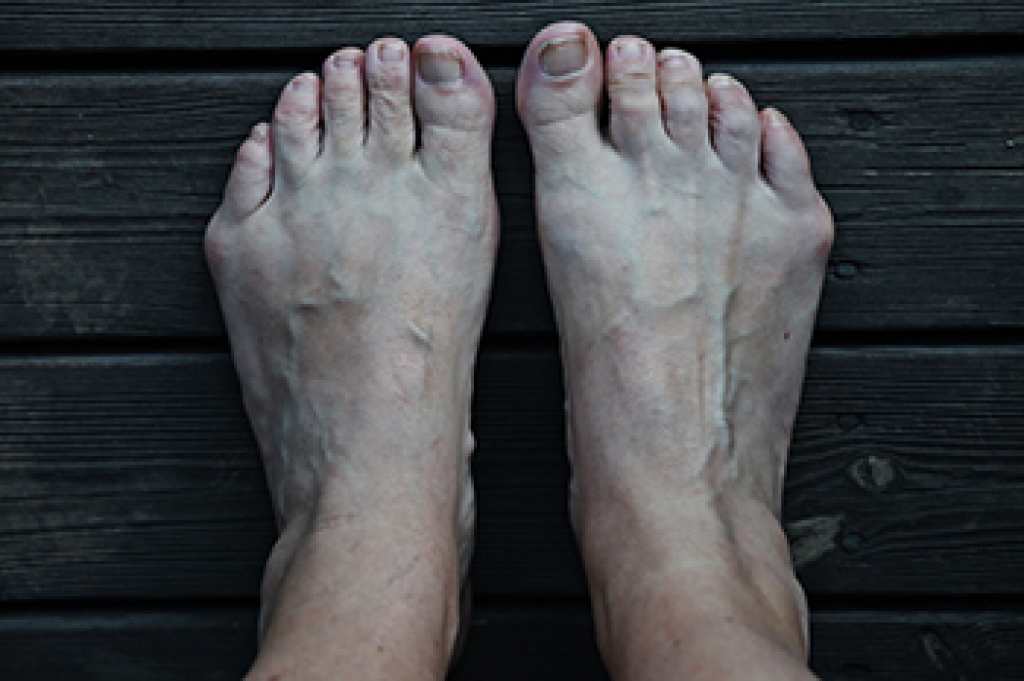
A bunionette is a bony bump on the outside of the foot at the base of the little toe. The bump forms when the fifth metatarsal, the bone behind the little toe, shifts outward or has an unusual shape. The little toe may lean inward. Pressure from shoes can irritate the area and cause redness, swelling, or a painful callus. Some patients feel pain beneath the joint rather than beside it. A podiatrist can determine whether the discomfort comes from a bunionette or another foot problem.

Treatment begins with an examination of the foot. The podiatrist checks the bump, skin, and little-toe joint. Weight-bearing X-rays can show the position and shape of the bones while the patient is standing. These images help the podiatrist select treatment that matches the deformity. Options include padding to reduce rubbing, professional callus care, and custom orthotics to improve pressure distribution. The podiatrist can also recommend shoes with a wide toe box and enough room along the outside of the foot. If swelling is severe, an injection may be considered to reduce inflammation. These measures do not remove the bump, but they can ease pressure and make standing or walking more comfortable.

Surgery can be considered when pain continues despite treatment or when the deformity limits activity. The chosen procedure depends on the location of the bump and the position of the fifth metatarsal. A surgeon may remove excess bone, realign the metatarsal, or correct the little toe. Recovery instructions depend on the procedure and can include protected weight-bearing in a special shoe. Follow-up visits allow the podiatrist to check healing and guide a safe return to regular shoes and activity. Patients should seek prompt care for worsening redness, open skin, or drainage around the bump. If you have a painful bunionette, it is suggested that you schedule an appointment with a podiatrist who can offer effective relief and management solutions.

If you are suffering from bunions, contact Joan Oloff, DPM of Los Gatos Foot and Ankle . Our doctor can provide the care you need to keep you pain-free and on your feet.

What Is a Bunion?

A bunion is formed of swollen tissue or an enlargement of boney growth, usually located at the base joint of the toe that connects to the foot. The swelling occurs due to the bones in the big toe shifting inward, which impacts the other toes of the foot. This causes the area around the base of the big toe to become inflamed and painful.

Why Do Bunions Form?

Genetics – Susceptibility to bunions are often hereditary

Stress on the feet – Poorly fitted and uncomfortable footwear that places stress on feet, such as heels, can worsen existing bunions

How Are Bunions Diagnosed?

Podiatrists often perform two tests – blood tests and x-rays – when trying to diagnose bunions, especially in the early stages of development. Blood tests help determine if the foot pain is being caused by something else, such as arthritis, while x-rays provide a clear picture of your bone structure to your provider.

How Are Bunions Treated?

  • Refrain from wearing heels or similar shoes that cause discomfort
  • Select wider shoes that can provide more comfort and reduce pain
  • Anti-inflammatory and pain management drugs
  • Orthotics or foot inserts
  • Surgery

If you have any questions, please feel free to contact our office located in Los Gatos, CA . We offer the newest diagnostic and treatment technologies for all your foot care needs.

Read more about Bunions

Causes of Foot Pain From Rock Climbing

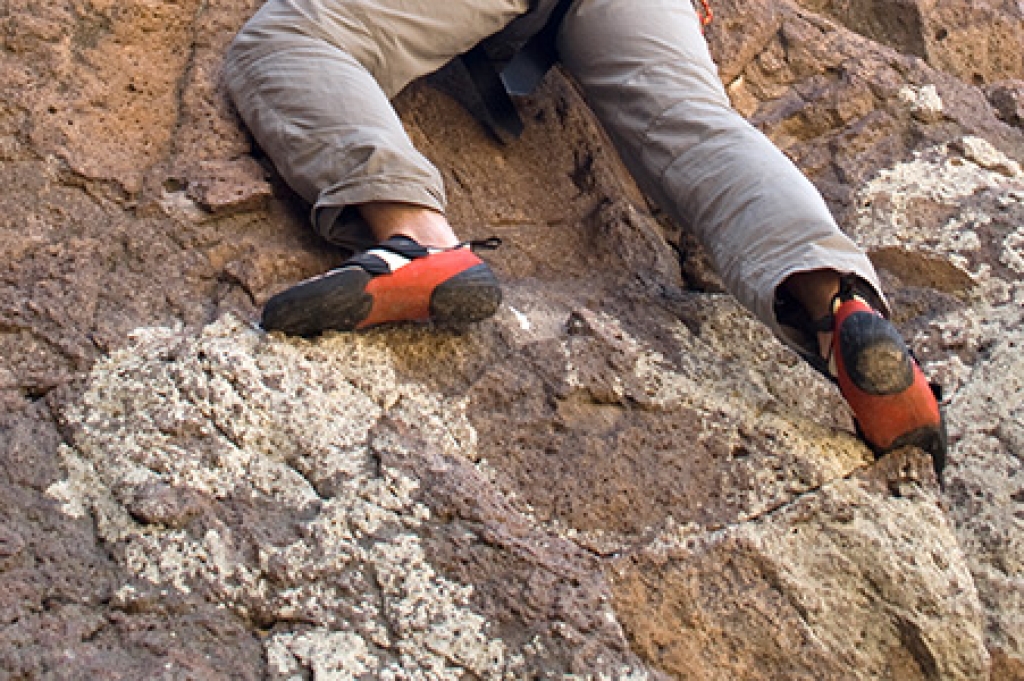
Foot pain is a common concern among rock climbers because the feet experience constant pressure while gripping small holds and maintaining balance on the wall. Climbing shoes are designed to provide a close and secure fit, but wearing shoes that are excessively tight can compress the toes and place pressure on the forefoot. Repeated climbing sessions can also overload the muscles, ligaments, and joints of the feet. Common symptoms include aching, burning, or swelling. Pain may become more noticeable during a climb and can continue afterward if the tissues have been irritated.

Wearing tight climbing shoes is one potential cause of foot discomfort. Although climbing shoes should fit securely, excessive compression can restrict normal toe movement and create pressure points. Repetitive loading can also contribute to strains involving muscles or tendons. Contusions may occur when the foot repeatedly contacts the wall or is compressed against holds. Risk factors include frequent climbing, wearing poor-fitting shoes, and returning to climbing too quickly after an injury.


A podiatrist can evaluate foot pain in rock climbers and determine whether the discomfort is related to footwear, overuse, or an injury. The evaluation may include reviewing climbing habits, examining the foot for tenderness or swelling, and checking strength and range of motion. The podiatrist may also assess walking mechanics and foot structure. Treatment may include activity modification, wearing supportive footwear, and stretching. If a strain or contusion is suspected, the podiatrist can recommend appropriate measures to protect the affected area while it heals.


Climbers can support foot health by paying attention to pain instead of trying to push through persistent symptoms. A properly fitted climbing shoe should provide control without creating excessive pressure or severe discomfort. If you have foot pain from rock climbing, it is suggested that you consult a podiatrist for an accurate diagnosis and appropriate treatment.

Sports related foot and ankle injuries require proper treatment before players can go back to their regular routines. For more information, contact Joan Oloff, DPM of Los Gatos Foot and Ankle . Our doctor can provide the care you need to keep you pain-free and on your feet.

Sports Related Foot and Ankle Injuries

Foot and ankle injuries are a common occurrence when it comes to athletes of any sport. While many athletes dismiss the initial aches and pains, the truth is that ignoring potential foot and ankle injuries can lead to serious problems. As athletes continue to place pressure and strain the area further, a mild injury can turn into something as serious as a rupture and may lead to a permanent disability. There are many factors that contribute to sports related foot and ankle injuries, which include failure to warm up properly, not providing support or wearing bad footwear. Common injuries and conditions athletes face, including:

  • Plantar Fasciitis
  • Achilles Tendinitis
  • Achilles Tendon Rupture
  • Ankle Sprains

Sports related injuries are commonly treated using the RICE method. This includes rest, applying ice to the injured area, compression and elevating the ankle. More serious sprains and injuries may require surgery, which could include arthroscopic and reconstructive surgery. Rehabilitation and therapy may also be required in order to get any recovering athlete to become fully functional again. Any unusual aches and pains an athlete sustains must be evaluated by a licensed, reputable medical professional.

If you have any questions please contact our office located in Los Gatos, CA . We offer the newest diagnostic and treatment technologies for all your foot and ankle needs.

Read more about Sports Related Foot And Ankle Injuries

Heel Pain Can Be Treated!

Do you suffer from heel pain when you get up in the morning? If so, you should seek professional help and have a proper diagnosis performed. Heel pain can be caused by several different foot-related conditions.

How Podiatrists Diagnose and Treat Flat Feet

Flat feet occur when the arches are low or absent while standing. Some people are born with this foot shape without discomfort. In other patients, the arches flatten because of an injury or weakened tendons. Arthritis and excess body weight can also contribute. Symptoms include aching in the arches, heel pain, and swelling near the inner ankle. A person also may have tired feet after standing or notice changes in the way their shoes wear. Flat feet can affect how weight moves across the feet, placing added strain on joints and soft tissues.

A podiatrist can determine whether flat feet are responsible for the pain or another problem is involved. The examination includes checking the arches while the patient sits and stands. The podiatrist studies joint motion and the patient’s walking pattern. X-rays can show bone position, arthritis, or an injury. Other imaging can provide a closer look at tendons when damage is suspected. These findings help distinguish flexible flat feet from rigid flat feet. A flexible arch appears when no weight is placed on the foot, while a rigid arch remains flat. Identifying the type and cause allows the podiatrist to recommend care that matches the patient’s needs.

Treatment focuses on reducing pain, improving support, and helping the feet work efficiently. A podiatrist can prescribe custom orthotics that support the arches and guide weight across the feet. The doctor can also recommend shoes with firm heel support, adequate cushioning, and enough room for the toes. An ankle brace can provide added stability in certain cases. When a damaged tendon or severe bone misalignment causes lasting symptoms, surgery can repair the affected structures or improve their position. Regular podiatry visits can track changes in the arches and help prevent added strain on the ankles, knees, or hips. If you have foot pain related to flat feet, it is suggested that you schedule an appointment with a podiatrist for effective relief and management solutions. 

Flatfoot is a condition many people suffer from. If you have flat feet, contact Joan Oloff, DPM from Los Gatos Foot and Ankle . Our doctor will treat your foot and ankle needs.

What Are Flat Feet?

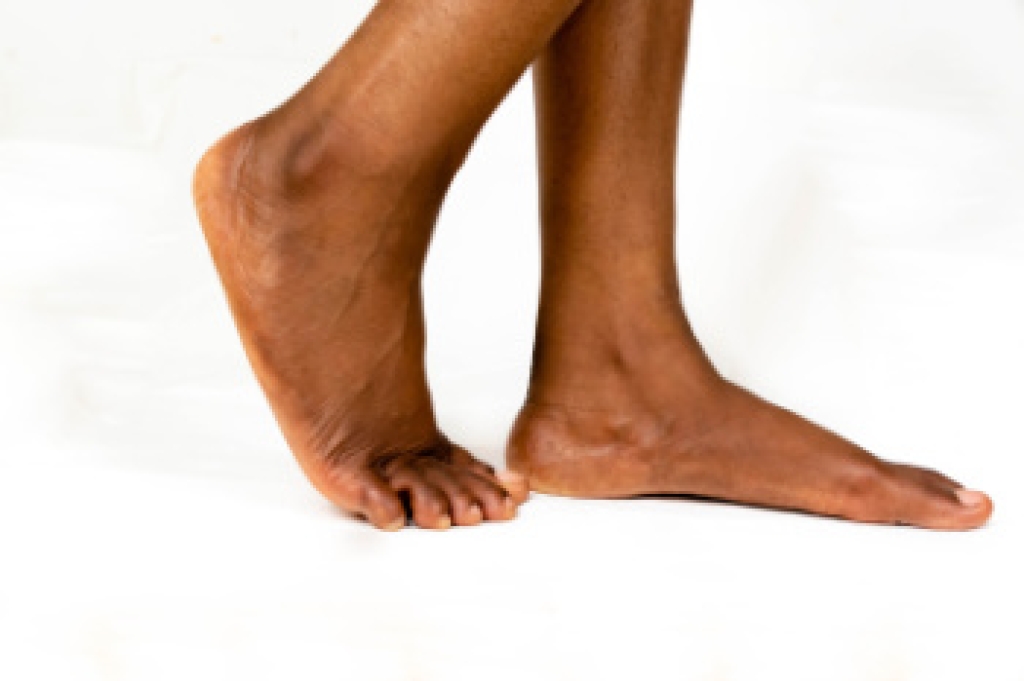
Flatfoot is a condition in which the arch of the foot is depressed and the sole of the foot is almost completely in contact with the ground. About 20-30% of the population generally has flat feet because their arches never formed during growth.

Conditions & Problems:

Having flat feet makes it difficult to run or walk because of the stress placed on the ankles.

Alignment – The general alignment of your legs can be disrupted, because the ankles move inward which can cause major discomfort.

Knees – If you have complications with your knees, flat feet can be a contributor to arthritis in that area.  

Symptoms

  • Pain around the heel or arch area
  • Trouble standing on the tip toe
  • Swelling around the inside of the ankle
  • Flat look to one or both feet
  • Having your shoes feel uneven when worn

Treatment

If you are experiencing pain and stress on the foot you may weaken the posterior tibial tendon, which runs around the inside of the ankle. 

If you have any questions, please feel free to contact our office located in Los Gatos, CA . We offer the newest diagnostic and treatment technologies for all your foot care needs.
Read more about Flatfoot

Foot Blisters From Walking and Running

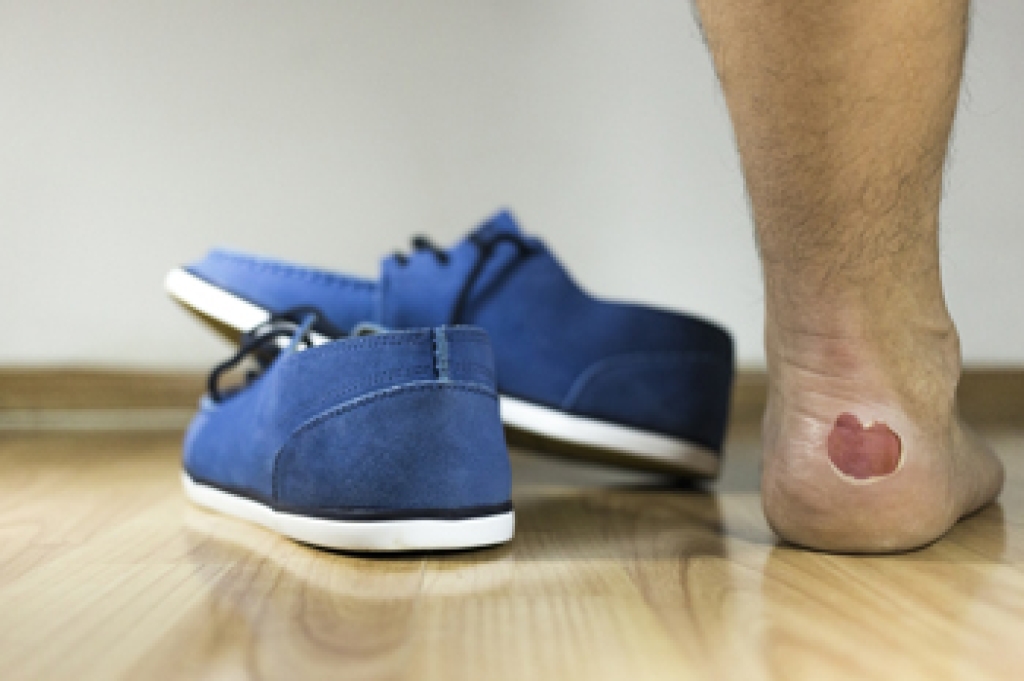
Foot blisters can turn a walk, run, or hike into a painful experience. A blister is a pocket of fluid that forms within the upper layers of the skin. Friction is a major cause, especially when shoes or socks repeatedly rub against the foot. Heat and moisture can make the skin more fragile and increase rubbing. Before a blister forms, the skin can develop a hot spot that feels warm, tender, or irritated. Wearing poorly fitting shoes can increase friction. Foot problems like bunions can also create areas where rubbing occurs more easily.

Blisters frequently develop on the toes, heels, or other areas exposed to repeated pressure. Blisters can become especially troublesome for runners and hikers because sweat can increase moisture inside shoes. Small rocks or grit trapped inside a shoe can also irritate the skin. A broken blister requires careful attention because the exposed skin can become infected. Warning signs include unusual drainage, red streaks, or increasing warmth around the affected area.

A podiatrist can examine a blister and determine whether friction, foot structure, or another problem is contributing to its development. The podiatrist can safely treat a painful blister while protecting the skin beneath it. Care can also address signs of infection or blisters that repeatedly return in the same location. A podiatrist can evaluate shoe fit and identify pressure points caused by the shape of the foot. Treatment can include protective padding or other methods that reduce pressure on the affected area. Addressing the source of repeated rubbing can help protect foot health and make daily movement more comfortable. If you frequently develop  foot blisters, it is suggested that you schedule an appointment with a podiatrist for effective relief and prevention tips. 

Blisters are prone to making everyday activities extremely uncomfortable. If your feet are hurting, contact Joan Oloff, DPM of Los Gatos Foot and Ankle . Our doctor can provide the care you need to keep you pain-free and on your feet.

Foot Blisters

Foot blisters develop as a result of constantly wearing tight or ill-fitting footwear. This happens due to the constant rubbing from the shoe, which can often lead to pain.

What Are Foot Blisters?

A foot blister is a small fluid-filled pocket that forms on the upper-most layer of the skin. Blisters are filled with clear fluid and can lead to blood drainage or pus if the area becomes infected.

How Do Blisters Form?

Blisters on the feet are often the result of constant friction of skin and material, usually by shoe rubbing. Walking in sandals, boots, or shoes that don’t fit properly for long periods of time can result in a blister. Having consistent foot moisture and humidity can easily lead to blister formation.

Prevention & Treatment

It is important to properly care for the affected area in order to prevent infection and ease the pain. Do not lance the blister and use a Band-Aid to provide pain relief. Also, be sure to keep your feet dry and wear proper fitting shoes. If you see blood or pus in a blister, seek assistance from a podiatrist.

If you have any questions, please feel free to contact our office located in Los Gatos, CA . We offer the newest diagnostic and treatment technologies for all your foot care needs.
Read more about Blisters on the Feet

Connect With Us

Advanced Podiatric Procedures & Services in the Santa Clara County: Los Gatos, San Jose, Monte Sereno, Saratoga, Cambrian Park, Campbell, Cupertino, Santa Clara areas