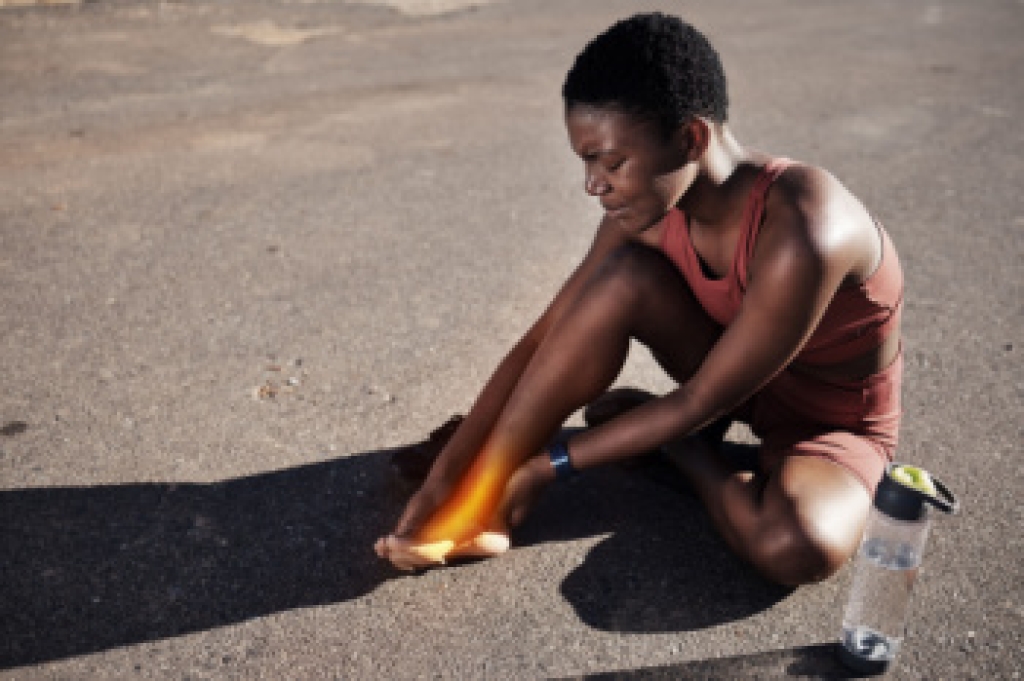
Understanding Outer Foot Pain From Running

Outer foot pain from running is a common issue that many runners experience at some point in their training. This type of pain refers to discomfort along the lateral side of the foot, which is the area that absorbs impact during repetitive motion. Runners often dread this condition because it can interfere with performance and daily movement. Symptoms may include sharp or aching pain, tenderness, and swelling,. Difficulty bearing weight on the affected foot may also occur. The discomfort can develop gradually or appear suddenly after an intense run, making it important to recognize early warning signs.

Several conditions can contribute to outer foot pain. An ankle sprain occurs when ligaments are stretched or torn, often due to uneven surfaces or sudden twists. Blisters are small fluid-filled pockets caused by friction between the foot and footwear, leading to irritation and pain. Bunions are bony bumps that form at the base of the big toe, altering foot mechanics and increasing lateral pressure. Flat feet, a condition where the arch collapses, can lead to improper weight distribution and strain on the outer foot. Additionally, Morton’s neuroma is a thickening of nerve tissue between the toes, causing burning pain and tingling that may radiate outward.


Risk factors for outer foot pain include overuse, poor running form, and wearing inadequate footwear. Sudden increases in mileage are often a factor. Symptoms vary depending on the cause but often include localized pain, swelling, redness, and reduced mobility. Ignoring these symptoms may lead to more severe injuries, so early attention is essential for recovery and prevention.


To reduce the risk of outer foot pain, runners should choose supportive footwear, maintain proper running technique, and gradually increase training intensity. Stretching and strengthening exercises can improve foot stability and alignment. If you have foot pain on the outside of your feet from running, it is suggested that you consult a podiatrist for effective relief and treatment solutions. 

Foot Pain

Foot pain can be extremely painful and debilitating. If you have a foot pain, consult with Joan Oloff, DPM from Los Gatos Foot and Ankle . Our doctor will assess your condition and provide you with quality foot and ankle treatment.

Causes

Foot pain is a very broad condition that could be caused by one or more ailments. The most common include:

  • Bunions
  • Hammertoes
  • Plantar Fasciitis
  • Bone Spurs
  • Corns
  • Tarsal Tunnel Syndrome
  • Ingrown Toenails
  • Arthritis (such as Gout, Rheumatoid, and Osteoarthritis)
  • Flat Feet
  • Injury (from stress fractures, broken toe, foot, ankle, Achilles tendon ruptures, and sprains)
  • And more

Diagnosis

To figure out the cause of foot pain, podiatrists utilize several different methods. This can range from simple visual inspections and sensation tests to X-rays and MRI scans. Prior medical history, family medical history, and any recent physical traumatic events will all be taken into consideration for a proper diagnosis.

Treatment

Treatment depends upon the cause of the foot pain. Whether it is resting, staying off the foot, or having surgery; podiatrists have a number of treatment options available for foot pain.

If you have any questions, please feel free to contact our office located in Los Gatos, CA . We offer the newest diagnostic and treatment technologies for all your foot care needs.

Read more about Foot Pain

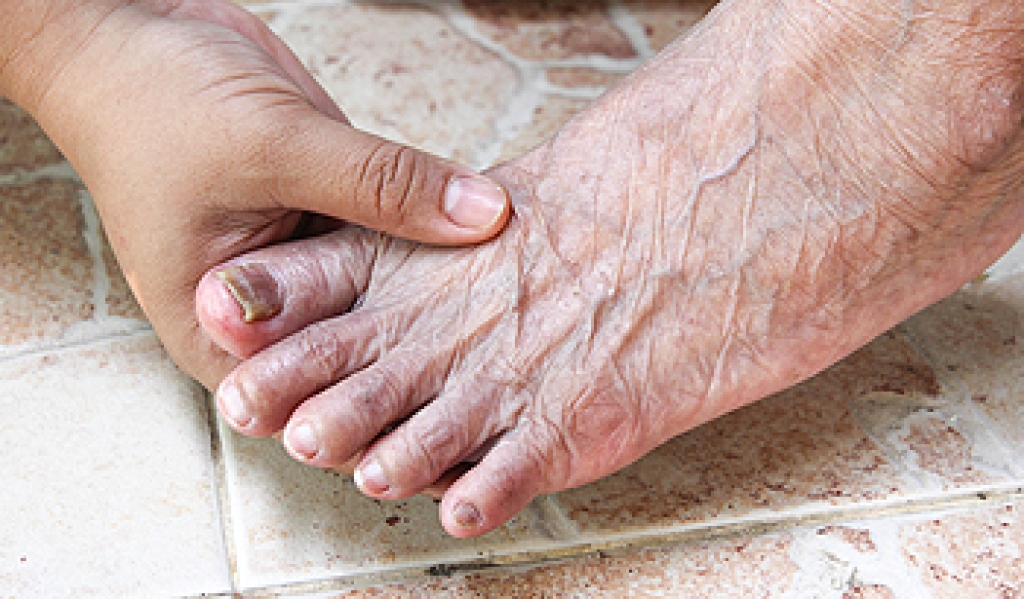
How Podiatrists Treat Broken and Detached Toenails

A broken or detached toenail occurs when part or all of the nail separates from the skin beneath it. The damage can cause pain, bleeding, and swelling. Dark discoloration can also develop. A loose nail can catch on socks and shoes, which can tear the skin below. Causes include stubbing the toe, dropping a heavy object on it, or repeated pressure from wearing tight shoes. Fungal infections can weaken and thicken the nail until it cracks or lifts. Skin conditions like psoriasis can affect nail growth and cause separation. A detached toenail can take up to 18 months to grow back.

A podiatrist should examine a damaged nail when there is severe pain, bleeding, or a dark area beneath it. An examination can show how much of the nail remains attached and whether the nail bed is injured. The podiatrist can also check for a broken toe or signs of infection. These signs include redness, warmth, and drainage. Patients with diabetes, poor blood flow, or reduced feeling in the feet should seek prompt care for a toenail injury. Even a small wound can become serious when healing is slow or the injury goes unnoticed.

Treatment depends on the cause and extent of the damage. A podiatrist can smooth sharp edges, trim loose portions, and protect exposed tissue. When blood trapped beneath the nail creates pressure, the podiatrist can drain it through a tiny opening. Testing a nail sample can identify a fungal infection and guide treatment. If the nail is badly damaged or infected, removing part or all of it can help the area heal. The podiatrist can also explain whether the nail is likely to return normally. Follow-up visits allow the doctor to watch for infection and check new nail growth. Well-fitted shoes can reduce pressure on the healing toe and help prevent another injury. If you have problematic toenails, it is suggested that you schedule an appointment with a podiatrist for a diagnosis and appropriate treatment.

Toe pain can disrupt your daily activities. If you have any concerns, contact Joan Oloff, DPM of Los Gatos Foot and Ankle . Our doctor can provide the care you need to keep you pain-free and on your feet.

What Causes Toe Pain?

Most severe toe pain is caused due to a sports injury, trauma from dropping something heavy on the toe, or bumping into something rigid. Other problems can develop over time for various reasons.

Toe pain can be caused by one or more ailments. The most common include:

  • Trauma
  • Sports injury
  • Wearing shoes that are too tight
  • Arthritis
  • Gout
  • Corns and calluses
  • Hammertoe
  • Bunions
  • Blisters
  • Ingrown toenails
  • Sprains
  • Fractures (broken bones)
  • Dislocations

When to See a Podiatrist

  • Severe pain
  • Persistent pain that lasts more than a week
  • Signs of infection
  • Continued swelling
  • Pain that prevents walking

Diagnosis

In many cases the cause of toe pain is obvious, but in others, a podiatrist may want to use more advanced methods to determine the problem. These can range from simple visual inspections and sensation tests to X-rays and MRI scans. Prior medical history, family medical history, and any recent physical traumatic events will all be taken into consideration for a proper diagnosis.

Treatment

Treatments for toe pain and injuries vary and may include shoe inserts, padding, taping, medicines, injections, and in some cases, surgery. If you believe that you have broken a toe, please see a podiatrist as soon as possible.

If you have any questions please contact our office located in Los Gatos, CA . We offer the newest diagnostic and treatment technologies for all your foot and ankle needs.

Read more about Toe Pain

It's Time for Beautiful Feet

You don't need an excuse to have beautiful nails. Step outside without worrying about the appearance of your feet.

Foot and Ankle Injuries Caused by Playing Basketball

Foot and ankle injuries from basketball are among the most common sports-related concerns due to the fast-paced and high-impact nature of the game. Basketball requires quick direction changes, jumping, and sudden stops, all of which place stress on the lower extremities. These movements increase the risk of injury, especially when combined with fatigue or improper training. The most common injuries include ankle sprains and Achilles tendon injuries, both of which can affect performance and long-term mobility if not addressed properly.

Symptoms of ankle sprains often include swelling, bruising, and limited range of motion around the joint. Athletes may have difficulty bearing weight or feel instability when walking. Achilles tendon injuries can cause pain along the back of the heel, stiffness, and weakness, especially during push off movements. In more severe cases, a popping sensation may be felt at the time of injury. Recognizing these symptoms early can help prevent further damage and support a safer recovery process.


The causes of basketball-related foot and ankle injuries are often linked to overuse and physical demands. Longer basketball schedules with frequent games and practices can lead to fatigue, which reduces coordination and increases injury risk. Lack of neuromuscular training can also contribute, as proper balance and muscle control are essential for safe movement. Sudden changes in intensity or inadequate warm up routines may place additional strain on the joints and tendons.


Risk factors include previous injuries, poor conditioning, and wearing improper footwear that does not provide adequate support. Playing on hard surfaces and failing to allow time for recovery can further increase the likelihood of injury. Strength training and proper technique can help improve stability and reduce risk. Early care is essential for maintaining foot health and performance. If you have a foot or ankle injury from basketball, it is suggested that you consult a podiatrist for effective relief and treatment solutions.

Ankle and foot injuries are common among athletes and in many sports. They can be caused by several problems and may be potentially serious. If you are feeling pain or think you were injured in a sporting event or when exercising, consult with Joan Oloff, DPM from Los Gatos Foot and Ankle . Our doctor will assess your condition and provide you with quality foot and ankle treatment.

Common Injuries

The most common injuries that occur in sporting activities include:

  • Achilles Tendonitis
  • Achilles Tendon Rupture
  • Ankle Sprains
  • Broken Foot
  • Plantar Fasciitis
  • Stress Fractures
  • Turf Toe

Symptoms

Symptoms vary depending upon the injury and in some cases, there may be no symptoms at all. However, in most cases, some form of symptom is experienced. Pain, aching, burning, bruising, tenderness, tightness or stiffness, sensation loss, difficulty moving, and swelling are the most common symptoms.

Treatment

Just as symptoms vary depending upon the injury, so do treatment options. A common treatment method is known as the RICE method. This method involves rest, applying ice, compression and elevating the afflicted foot or ankle. If the injury appears to be more serious, surgery might be required, such as arthroscopic or reconstructive surgery. Lastly, rehabilitation or therapy might be needed to gain full functionality in the afflicted area. Any discomfort experienced by an athlete must be evaluated by a licensed, reputable medical professional.  

If you have any questions please contact our office located in Los Gatos, CA . We offer the newest diagnostic and treatment technologies for all your foot and ankle needs.

Read more about Sports Related Foot and Ankle Injuries

Finding Lasting Relief From Athlete’s Foot

Athlete’s foot is a fungal skin infection that affects the feet, especially between the toes. Fungi thrive in warm and damp places, making locker rooms, public showers, and sweaty shoes ideal environments. The infection spreads through direct contact or contaminated surfaces. It can also develop after wearing shoes for long periods without allowing the feet to stay dry. Early evaluation helps prevent the infection from spreading to other areas of the foot or toenails.

Symptoms include itching, peeling, and flaky skin. Some people develop blisters, soreness, or an unpleasant odor. Others notice dry, scaly skin that spreads across the sole or around the edges of the foot. Scratching the affected skin can increase irritation and allow the infection to spread more easily. A careful examination helps confirm the diagnosis and identify whether the infection has reached the toenails.

Podiatrists evaluate the affected skin, toenails, and foot structure to determine the best treatment. They can recommend prescription antifungal medication when necessary and monitor healing to make sure the infection is improving. They also check for skin damage and signs that the infection has spread beyond the original area. Prompt treatment helps reduce discomfort, protect healthy skin, and lower the risk of repeated infections. Healthy feet support comfort while walking and everyday activities. Professional care also helps identify conditions that can look similar to athlete’s foot, including eczema or psoriasis, so patients receive the correct diagnosis. Regular follow-up visits allow the podiatrist to monitor progress, answer questions, and help protect the skin from future problems. This ongoing attention supports healthier feet and reduces the chance of recurring infections affecting daily comfort and mobility. If you have symptoms of athlete’s foot, it is suggested that you schedule an appointment with a podiatrist for diagnosis and treatment.

Athlete’s Foot

Athlete’s foot is often an uncomfortable condition to experience. Thankfully, podiatrists specialize in treating athlete’s foot and offer the best treatment options. If you have any questions about athlete’s foot, consult with Joan Oloff, DPM from Los Gatos Foot and Ankle . Our doctor will assess your condition and provide you with quality treatment.

What Is Athlete’s Foot?

Tinea pedis, more commonly known as athlete’s foot, is a non-serious and common fungal infection of the foot. Athlete’s foot is contagious and can be contracted by touching someone who has it or infected surfaces. The most common places contaminated by it are public showers, locker rooms, and swimming pools. Once contracted, it grows on feet that are left inside moist, dark, and warm shoes and socks.

Prevention

The most effective ways to prevent athlete’s foot include:

  • Thoroughly washing and drying feet
  • Avoid going barefoot in locker rooms and public showers
  • Using shower shoes in public showers
  • Wearing socks that allow the feet to breathe
  • Changing socks and shoes frequently if you sweat a lot

Symptoms

Athlete’s foot initially occurs as a rash between the toes. However, if left undiagnosed, it can spread to the sides and bottom of the feet, toenails, and if touched by hand, the hands themselves. Symptoms include:

  • Redness
  • Burning
  • Itching
  • Scaly and peeling skin

Diagnosis and Treatment

Diagnosis is quick and easy. Skin samples will be taken and either viewed under a microscope or sent to a lab for testing. Sometimes, a podiatrist can diagnose it based on simply looking at it. Once confirmed, treatment options include oral and topical antifungal medications.

If you have any questions, please feel free to contact our office located in Los Gatos, CA . We offer the newest diagnostic and treatment technologies for all your foot care needs.

Read more about How to Deal with Athlete's Foot

Connect With Us

Advanced Podiatric Procedures & Services in the Santa Clara County: Los Gatos, San Jose, Monte Sereno, Saratoga, Cambrian Park, Campbell, Cupertino, Santa Clara areas