Connect With Us
Blog

Tuesday, 21 June 2022 00:00
How to Treat Your Toenail Fungus
While not a serious issue, toenail fungus, or onychomycosis, can be an embarrassing and uncomfortable condition to experience. Toenail fungus is often caused from public areas that harbor fungi and improper cleaning/drying of the foot. Once infected, the fungus grows deeper into the nail and can be very hard to get rid of.
There are different types of fungus that cause toenail fungus. Dermatophytes, yeasts, and molds are the most frequent forms of fungus to infect the toenail. Dermatophytes are the most common among the three. Symptoms associated with fungal nails include the discoloration of the toenail, brittleness, and in some circumstances, a smell. Pain is rarely a symptom caused by toenail fungus.
Diagnosis of fungal nails is generally a rather quick process. However podiatrists will make sure that the cause is not another condition such as lichen planus, psoriasis, onychogryphosis, or nail damage. Podiatrists will make use of fungal cultures and microscopy to verify that it is fungus.
While over-the-counter ointments are readily available, most are ineffective. This is due to the fact that the nail is very protective and that the fungus slips in between the nail plate and bed. Podiatrists can offer oral medication which currently provides the best results.
Ultimately, prevention is the best line of defense against toenail fungus. Avoid unsanitary public showers. If you do use a public shower, use shower shoes to provide your foot with protection. Once you are finished showering, make sure to thoroughly dry your feet. Fungi thrive in warm, dark, and moist places like sweaty, warm feet that are left dark in shoes all day.
Published in
Featured
Tagged under
Tuesday, 14 June 2022 00:00
Foot Pain in Kids


Beyond how active kids are, there are many reasons why children might complain of sore feet. A child may injure the foot resulting in a sprain or fracture. They may have athlete’s foot and find the skin in between their toes or the soles of their feet to be itchy, dry, and scaly. Kids experiencing growth spurts or who play sports involving running and jumping may complain of sore heels and this could be indicative of a condition called Sever’s disease. Children who are flat-footed may have foot pain that extends up to their ankles and calf muscles. Tight or ill-fitting shoes can cause blisters or corns. Kids can even develop bunions due to genetics or if the arch of their foot is overcompensated. Sometimes, if the toenails are clipped improperly, a toenail can dig into the surrounding skin and cause pain. Because children’s feet are so important to their overall functioning and each condition mentioned causes foot pain, it is suggested that a podiatrist be included as part of your child’s routine health care. A podiatrist can diagnose problems that arise and help direct the proper foot care of your child.
The health of a child’s feet is vital to their overall well-being. If you have any questions regarding foot health, contact Joan Oloff, DPM of Los Gatos Foot and Ankle . Our doctor can provide the care you need to keep you pain-free and on your feet.
Tips for Keeping Children's Feet Healthy
- Make sure their shoes fit properly
- Look for any signs of in-toeing or out-toeing
- Check to see if they have Clubfoot (condition that affects your child’s foot and ankle, twisting the heel and toes inward) which is one of the most common nonmajor birth defects.
- Lightly cover your baby’s feet (Tight covers may keep your baby from moving their feet freely, and could prevent normal development)
- Allow your toddler to go shoeless (Shoes can be restricting for a young child’s foot)
- Cut toenails straight across to avoid ingrown toenails
- Keep your child’s foot clean and dry
- Cover cuts and scrapes. Wash any scratches with soap and water and cover them with a bandage until they’ve healed.
If you have any questions, please feel free to contact our office located in Los Gatos, CA . We offer the newest diagnostic and treatment technologies for all your foot care needs.
Published in
Blog
Tagged under
Tuesday, 14 June 2022 00:00
What to Do to Keep Your Child’s Feet Healthy
Being a parent involves caring for your child in every way you can. You make sure they are eating the right food, being nice to others, and staying out of any trouble. However, it is also important that you are watchful of their health, more specifically their foot health. Maintaining good foot health in childhood is important in preventing later conditions in life from happening. As children continue to develop, their feet require different techniques of care. Here are some various ways in which you can help your child’s feet stay healthy.
A baby needs a lot of care and attention overall, but the importance of their feet should never be forgotten. Before a baby turns one, their feet change and develop greatly. It is important that during this time, a mother avoids putting tight socks on their child. She should also encourage movement of their feet so the baby can begin to feel more comfortable using them.
As a baby enters the toddler years of his or her life, they are begin to walk around. When your baby begins to take those first steps, it is crucial that they are wearing protective shoes on their feet. As a mother that is observant of your child’s feet, you may notice changes in them. This is completely normal as the feet are becoming susceptible to the activity of walking. It is normal for a toddler to be a bit unsteady or to “walk funny” at first.
When your child grows out of their toddler years, it is important that you begin to show him or her how to care for their feet on their own. Practice with your child proper hygiene in order to prevent foot fungus or infection. Since children are constantly on the move, it is crucial to be cautious of any accidents or injuries that might occur. If an injury occurs, it is advised that you take your child to be examined by a doctor immediately. Since your child is still growing, particular injuries can shift the way in which a bone or other important part of the foot is developing.
Babies and kids are always changing and growing. Your job as a parent is to make sure they stay healthy and making sure they are properly maintained. This involves proper foot care and making sure the feet stay healthy. Following this guide, your child can live a long and happy life.
Published in
Featured
Tagged under
Tuesday, 07 June 2022 00:00
How Long Is the Education Process for Podiatry?


Doctors who treat ailments of the foot are referred to as podiatrists. They are skilled in diagnosing various foot conditions in addition to providing quality treatment. Podiatric medicine is considered to be a specialty, involving the feet and ankles. There are several areas of this type of medicine to be proficient in, including public health, orthopedics, or surgery. These doctors are able to correct foot deformities, and can advise patients on how to care for their foot conditions. The education process starts with earning a bachelor's degree, followed by completing a Doctor of Podiatric Medicine (DPM) program. This takes approximately four years to complete. The next step is to enroll in a podiatric medicine and surgery residency program. It is mandatory for podiatrists to obtain a license to practice podiatry in their specific state, in addition to passing a state exam. Many podiatrists choose to work in an office or hospital, or can become part of a group practice. If you are interested in pursuing podiatry as a career, it is suggested that you speak with a podiatrist about any questions or concerns you may have.
If you are dealing with pain in your feet and ankles, you may want to seek help from a podiatrist. Feel free to contact Joan Oloff, DPM from Los Gatos Foot and Ankle . Our doctor can provide the care you need to keep you pain-free and on your feet.
What Is a Podiatrist?
A podiatrist diagnoses and treats conditions of the foot, ankle, and related structures of the leg. Your podiatrist may specialize in a certain field such as sports medicine, wound care, pediatrics, and diabetic care. Podiatrists have the ability to become board certified through training, clinical experience, and then taking an exam.
What Do Podiatrists Do?
On a daily basis, a podiatrist may perform the following activities:
- Diagnose foot ailments such as ulcers, tumors, fractures, etc.
- Use innovative methods to treat conditions
- Use corrective orthotics, casts, and strappings to correct deformities
- Correct walking patterns and balance
- Provide individual consultations to patients
It is very important that you take care of your feet. It’s easy to take having healthy feet for granted, however foot problems tend to be among the most common health conditions. Podiatrists can help diagnose and treat a variety of feet related conditions, so it is crucial that you visit one if you need assistance.
If you have any questions, please feel free to contact our office located in Los Gatos, CA . We offer the newest diagnostic and treatment technologies for all your foot care needs.
Published in
Blog
Tagged under
Tuesday, 07 June 2022 00:00
What is a Podiatrist?
A podiatrist specializes in foot, ankle, and related structures of the leg. If you are having any pain, injuries, or abnormalities in these areas, it is best that you seek help from a podiatrist.
Podiatrists complete four years of training in a podiatric medical school. Their training is like that of other physicians, and they may go on to complete a fellowship training after a residency training. Some podiatrists are board certified meaning they have advanced training, clinical experience, and have taken an exam to prove their skills. Certifying boards for podiatry are the American Board of Foot and Ankle Surgery and the American Board of Podiatric Medicine. Podiatrists may work in private practices, hospitals, clinics, or they may even become professors at colleges of podiatric medicine.
While in college, those who want to be podiatrists often take biology, chemistry, and physics classes in preparation for podiatry school. In podiatry school, students study how the bones, nerves, and muscles work together to help you move around. Additionally, they study injuries and how to properly diagnose and treat them. Admittance into podiatric medical school requires the completion of 90 semester hours of undergraduate study with a good grade point average, and acceptable scores on the MCAT (Medical College Admission Test)
Podiatrists treat many different conditions such as: aching feet, ankle pain, bunions, corns, hammertoes, fungus, ingrown toenails, plantar fasciitis, sprains and more. Common forms of treatment for these conditions are physical therapy, drugs, or surgery. Podiatrists may also recommend corrective shoe inserts, custom-made shoes, plaster casts, and strappings to correct deformities.
Even if you are someone whose feet are in generally good condition, you should still visit a podiatrist to have your feet properly exfoliated and maintained, or to make sure you are looking after your feet properly.
Published in
Featured
Tagged under
Tuesday, 31 May 2022 00:00
Injuries to the Peroneal Tendons of the Ankle

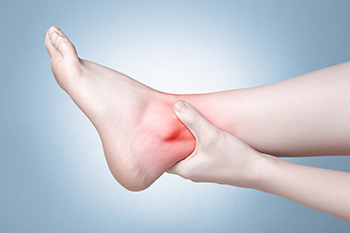
The ankle is a complex structure of bones, muscles, ligaments, and tendons that work together to help you stand, walk, and run. A tendon is a band of tissue that connects muscles to bones. Two peroneal tendons are located on the outer side of the ankle. One connects the bone to the metatarsal on the outside of the foot, and the other runs beneath the foot and connects to the arch. Their job is to stabilize the foot and ankle muscles, helping to prevent strains. Injury to these tendons is common among athletes and people with high arches. The three main categories of peroneal tendon injuries are tendonitis, acute tears, and subluxation. Tendonitis, or inflammation, is most likely the result of repetitive use or overuse that causes pain, swelling, and warmth to the touch. Acute tears are commonly caused by repetitive activity or trauma that results in pain, swelling, and ankle joint instability. Subluxation occurs when the tendon slips out of position, often after an ankle sprain. Symptoms include a snapping feeling in the ankle, along with weakness and instability. If you have injured your ankle, it is suggested you consult a podiatrist as soon as possible for an exam and diagnosis.
Ankle pain can be caused by a number of problems and may be potentially serious. If you have ankle pain, consult with Joan Oloff, DPM from Los Gatos Foot and Ankle . Our doctor will assess your condition and provide you with quality foot and ankle treatment.
Ankle pain is any condition that causes pain in the ankle. Due to the fact that the ankle consists of tendons, muscles, bones, and ligaments, ankle pain can come from a number of different conditions.
Causes
The most common causes of ankle pain include:
- Types of arthritis (rheumatoid, osteoarthritis, and gout)
- Ankle sprains
- Broken ankles
- Achilles tendonitis
- Achilles tendon rupture
- Stress fractures
- Bursitis
- Tarsal tunnel syndrome
- Plantar fasciitis
Symptoms
Symptoms of ankle injury vary based upon the condition. Pain may include general pain and discomfort, swelling, aching, redness, bruising, burning or stabbing sensations, and/or loss of sensation.
Diagnosis
Due to the wide variety of potential causes of ankle pain, podiatrists will utilize a number of different methods to properly diagnose ankle pain. This can include asking for personal and family medical histories and of any recent injuries. Further diagnosis may include sensation tests, a physical examination, and potentially x-rays or other imaging tests.
Treatment
Just as the range of causes varies widely, so do treatments. Some more common treatments are rest, ice packs, keeping pressure off the foot, orthotics and braces, medication for inflammation and pain, and surgery.
If you have any questions please feel free to contact our office located in Los Gatos, CA . We offer the newest diagnostic tools and technology to treat your foot and ankle needs.
Published in
Blog
Tagged under
Tuesday, 31 May 2022 00:00
Ankle Pain
The ankle joint is the point at which the bones of the leg and foot join. This joint is crucial because it is responsible for the foot’s mobility. Ankle pain is typically the result of inflammation from an injury to bones, joint space, cartilage, ligaments, tendons, or muscles in the area. Commonly associated symptoms with ankle pain are bruising, redness, numbness, stiffness, weakness, and tingling.
The most common causes of ankle pain are sprains and injuries. Ankle sprains are one of the most common musculoskeletal injuries. Sprains occur when the ligaments of the ankle become partially or completely torn due to sudden stretching. Sprains can occur on either the inner or outer sides of the ankle joint. Usually, these injuries occur when the ankle is twisted in an activity by stepping off an uneven surface. More specific causes include rheumatoid arthritis, gout, osteoarthritis, and Achilles tendonitis.
If you are experiencing ankle pain, you should consult with your podiatrist to choose the best method of care. Your doctor will conduct an examination of your ankle to determine the underlying cause of the pain.
Published in
Featured
Tagged under
Thursday, 26 May 2022 00:00
Plantar Warts Can Be Treated!


Plantar warts are small growths that develop on parts of the feet that bear weight. They're typically found on the bottom of the foot. Don't live with plantar warts, and call us today!
Published in
Blog
Tagged under
Tuesday, 24 May 2022 00:00
Understanding Shin Splints


Shin splints occur when muscles that connect with the shin bone (tibia) located under the knee become irritated and inflamed from overuse. The medical term for shin splints is medial tibial stress syndrome, also known as MTSS. This condition can occur in physically active individuals and athletes when they do not warm up adequately, increase the intensity of their workouts too rapidly, run on hard surfaces, or wear improper shoes. Pain can be felt across the shin, from the knee to the ankle, and can sometimes be mistaken for other conditions. If you believe you are developing shin splints, consult with a podiatrist who can accurately diagnose and treat your condition. Some treatment methods may include custom orthotics, anti-inflammatory medications, physical and massage therapy, and recommending proper footwear. If you are a runner, your podiatrist will evaluate how you run and offer suggestions for stride modifications.
Foot therapy is often necessary for those recovering from either foot deformities or foot injuries. If you have concerns regarding therapy, consult with Joan Oloff, DPM from Los Gatos Foot and Ankle . Our doctor can provide the care you need to keep you pain-free and on your feet.
Most Common Injuries
People who are active or athletes are prone to a variety of injuries. Therefore, it is often important to take part in physical therapy in order to quickly get back on the right track.
What to Do When Injured
Physical Therapy – This specialized treatment will focus on the affected area, speeding up recovery and the overall healing process. It is a proven method that has helped millions of people return from any injury.
During physical therapy you will undergo regimented training to get back into full form. Training is often very difficult, especially at first when the foot feels weak. Physical therapy often involves:
Basic stretching and twisting exercises – getting the feet’s mobility and flexibility up.
Massaging – the therapist will massage the injured area in order to activate the muscles and relax them.
Strengthening Exercises – this allows the muscles in the affected area to regain their full strength, a vital step towards full recovery.
If you have any questions, please feel free to contact our office located in Los Gatos, CA . We offer the newest diagnostic and treatment technologies for all your foot care needs.
Published in
Blog
Tagged under
Tuesday, 24 May 2022 00:00
Foot Therapy for Sports Injuries
Whether in practice or in the game, athletes put their bodies through great stress. Some sports demand more from the body than others. However, every sport has an element of inorganic movement or unnatural motion. For example, in softball, a pitcher winds up and flings her body with an incredible amount of dexterity in order to get the most ideal velocity out of her pitches. This motion, incredibly taxing on the body, can cause serious injury.
One of the most common issues of athletic injuries happens in the feet. If it’s a damaging fracture that leaves the athlete sidelined or just a simple turf toe, foot injuries can still be very frustrating and painful. Regardless of the sport, athletes still require use of their feet in some fashion. This is why foot therapy is extremely vital for getting athletes back on the right track to return to the field.
No matter the injury, the best way to speed up the recovery period is to receive physical therapy. Physical therapy has proven to work for millions of people. Professional physical therapists are specifically trained to help people return to proper form from any injury.
During physical therapy, you will go through organized training in order to get back into form. Sometimes training can be quite difficult, especially in the beginning when there is more pain and the foot feels awkward. To alleviate this, you will do basic twisting and stretching exercises in order to get flexibility and foot mobility back up. The therapist will also massage the injured area to activate and relax muscles. Over time you will eventually move up to strengthening exercises, designed specifically so that the injured area is exercised.
Foot therapy for sports is a modern science miracle. Unlike other treatments that may employ the use of fancy chemicals and terminology, physical therapy is an evidence-based practice that offers the same benefits. Due to huge advancements in the knowledge of muscles and joints, doctors can turn catastrophic injuries around so that athletes can return to the game once more.
Published in
Featured
Tagged under
