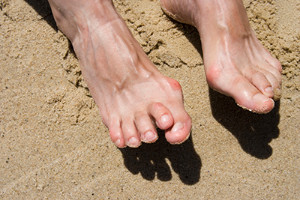
Hammertoe is a deformity in which one of the smaller toes bends at the middle joint, creating a shape that resembles a hammer. It occurs more often in women, and it is frequently related to footwear choices that place pressure on the toes. This condition is commonly seen when the second toe is longer than the big toe, which can increase crowding in shoes. Pain may develop on the top of the bent toe from rubbing against footwear, or at the ball of the foot from added pressure. Risk factors include wearing tight shoes, foot structure, and muscle imbalance. A podiatrist can evaluate the toe, recommend supportive footwear, and provide treatment to reduce discomfort. If you have developed a hammertoe, it is suggested that you are under the care of a podiatrist who can help you to manage this condition.
Hammertoe
Hammertoes can be a painful condition to live with. For more information, contact Joan Oloff, DPM from Los Gatos Foot and Ankle . Our doctor will answer any of your foot- and ankle-related questions.
Hammertoe is a foot deformity that affects the joints of the second, third, fourth, or fifth toes of your feet. It is a painful foot condition in which these toes curl and arch up, which can often lead to pain when wearing footwear.
Symptoms
Pain in the affected toes
Development of corns or calluses due to friction
Inflammation
Redness
Contracture of the toes
Causes
Genetics – People who are genetically predisposed to hammertoe are often more susceptible
Arthritis – Because arthritis affects the joints in your toes, further deformities stemming from arthritis can occur
Trauma – Direct trauma to the toes could potentially lead to hammertoe
Ill-fitting shoes – Undue pressure on the front of the toes from ill-fitting shoes can potentially lead to the development of hammertoe
Treatment
Orthotics – Custom made inserts can be used to help relieve pressure placed on the toes and therefore relieve some of the pain associated with it
Medications – Oral medications such as anti-inflammatories or NSAIDs could be used to treat the pain and inflammation hammertoes causes. Injections of corticosteroids are also sometimes used
Surgery – In more severe cases where the hammertoes have become more rigid, foot surgery is a potential option
If you have any questions, please feel free to contact our office located in Los Gatos, CA. We offer the newest diagnostic and treatment technologies for all your foot care needs.
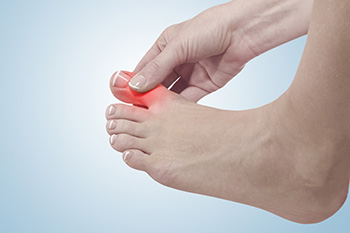
Chronic gout is a form of inflammatory arthritis caused by repeated buildup of uric acid crystals within the joints. It often affects the big toe, midfoot, or ankle. Unlike occasional attacks, chronic gout may lead to ongoing pain, stiffness, and swelling. Joint damage may occur over time. The affected joints can appear red, enlarged, and tender. Some patients develop hard deposits called tophi beneath the skin. Walking may become difficult during flare-ups, especially when pressure is placed on the inflamed area. Chronic gout can develop when uric acid levels remain elevated for long periods. This may be due to diet, kidney problems, certain medications, or genetic factors. A podiatrist can help identify gout-related foot problems, evaluate joint damage, and work with other healthcare providers to guide treatment. Care may include medication management, supportive footwear, and recommendations to reduce stress on painful joints. If you have chronic gout, it is suggested that you schedule an appointment with a podiatrist who can offer effective relief and prevention solutions for this painful condition.
Gout is a foot condition that requires certain treatment and care. If you are seeking treatment, contact Joan Oloff, DPM from Los Gatos Foot and Ankle . Our doctor will treat your foot and ankle needs.
What Is Gout?
Gout is a type of arthritis caused by a buildup of uric acid in the bloodstream. It often develops in the foot, especially the big toe area, although it can manifest in other parts of the body as well. Gout can make walking and standing very painful and is especially common in diabetics and the obese.
People typically get gout because of a poor diet. Genetic predisposition is also a factor. The children of parents who have had gout frequently have a chance of developing it themselves.
Gout can easily be identified by redness and inflammation of the big toe and the surrounding areas of the foot. Other symptoms include extreme fatigue, joint pain, and running high fevers. Sometimes corticosteroid drugs can be prescribed to treat gout, but the best way to combat this disease is to get more exercise and eat a better diet.
If you have any questions, please feel free to contact our office located in Los Gatos, CA. We offer the newest diagnostic and treatment technologies for all your foot care needs.
Sever’s disease is a common cause of heel pain in growing children. It is related to irritation of the growth plate in this area. It most often affects active children during growth spurts when bones, muscles, and tendons are developing at different rates. Risk factors include participation in sports, tight calf muscles, and repetitive stress on the heel. Symptoms include heel pain during activity, tenderness, and limping. Discomfort often improves with rest, but can return with movement. A podiatrist can evaluate the condition, and recommend stretching, supportive footwear, and other treatments to reduce strain and promote healing. Early care can improve comfort and prevent ongoing issues. If your active child has heel pain, it is suggested that you consult a podiatrist who can accurately diagnose the problem.
Sever's disease often occurs in children and teens. If your child is experiencing foot or ankle pain, see Joan Oloff, DPM from Los Gatos Foot and Ankle . Our doctor can treat your child’s foot and ankle needs.
Sever’s Disease
Sever’s disease is also known as calcaneal apophysitis, which is a medical condition that causes heel pain I none or both feet. The disease is known to affect children between the ages of 8 and 14.
Sever’s disease occurs when part of the child’s heel known as the growth plate (calcaneal epiphysis) is attached to the Achilles tendon. This area can suffer injury when the muscles and tendons of the growing foot do not keep pace with bone growth. Therefore, the constant pain which one experiences at the back of the heel will make the child unable to put any weight on the heel. The child is then forced to walk on their toes.
Symptoms
Acute pain – Pain associated with Sever’s disease is usually felt in the heel when the child engages in physical activity such as walking, jumping and or running.
Highly active – Children who are very active are among the most susceptible in experiencing Sever’s disease, because of the stress and tension placed on their feet.
If you have any questions, please feel free to contact our office located in Los Gatos, CA. We offer the newest diagnostic and treatment technologies for all your foot care needs.
Plantar warts are small growths that develop on parts of the feet that bear weight. They're typically found on the bottom of the foot. Don't live with plantar warts, and call us today!