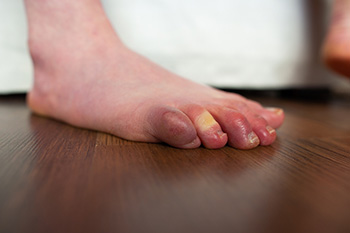
Trench foot, also known as immersion foot, is a non-freezing cold injury that develops when the feet are exposed to wet and cold conditions for an extended period of time. This condition gained recognition during wartime, but remains relevant today in outdoor workers, athletes, and individuals exposed to damp environments. Prolonged moisture weakens the skin barrier and disrupts circulation, leading to tissue damage. Unlike frostbite, trench foot can occur in temperatures above freezing, making awareness essential for prevention and early care. Understanding this condition supports better foot health and reduces the risk of long term complications.
The symptoms of trench foot often begin with tingling, itching, or a burning sensation in the feet. As the condition progresses, the skin may appear pale, wrinkled, or waterlogged. Swelling and pain can develop, along with redness, once circulation begins to return. In more advanced stages, blisters, open sores, and skin breakdown may occur, increasing the risk of infection. Some individuals also experience numbness or heaviness in the affected area. Recognizing these symptoms early is important to prevent further damage and support proper recovery.
Several risk factors increase the likelihood of developing trench foot. Prolonged exposure to wet socks, damp shoes, or standing water is the primary cause. Cold weather conditions combined with poor foot hygiene further contribute to the risk. Wearing tight footwear that restricts circulation can worsen the condition, as can limited mobility or prolonged standing. Individuals with poor circulation or underlying health conditions may be more vulnerable. Understanding these risk factors helps guide preventive strategies and supports overall foot care in challenging environments.
The main cause of trench foot is sustained exposure to moisture and cold, which leads to constricted blood vessels and reduced oxygen supply to the tissues. This combination damages the skin and underlying structures over time. Preventive care includes keeping feet clean and dry, changing socks regularly, and wearing properly fitted water resistant footwear. Early intervention is essential to avoid complications such as infection or tissue damage. If you have symptoms of trench foot, it is suggested you consult a podiatrist for an accurate diagnosis and appropriate treatment.
Foot Pain
Foot pain can be extremely painful and debilitating. If you have a foot pain, consult with Joan Oloff, DPM from Los Gatos Foot and Ankle . Our doctor will assess your condition and provide you with quality foot and ankle treatment.
Causes
Foot pain is a very broad condition that could be caused by one or more ailments. The most common include:
- Bunions
- Hammertoes
- Plantar Fasciitis
- Bone Spurs
- Corns
- Tarsal Tunnel Syndrome
- Ingrown Toenails
- Arthritis (such as Gout, Rheumatoid, and Osteoarthritis)
- Flat Feet
- Injury (from stress fractures, broken toe, foot, ankle, Achilles tendon ruptures, and sprains)
- And more
Diagnosis
To figure out the cause of foot pain, podiatrists utilize several different methods. This can range from simple visual inspections and sensation tests to X-rays and MRI scans. Prior medical history, family medical history, and any recent physical traumatic events will all be taken into consideration for a proper diagnosis.
Treatment
Treatment depends upon the cause of the foot pain. Whether it is resting, staying off the foot, or having surgery; podiatrists have a number of treatment options available for foot pain.
If you have any questions, please feel free to contact our office located in Los Gatos, CA . We offer the newest diagnostic and treatment technologies for all your foot care needs.
